Enterprise Product Portfolio
Premium OEM/ODM pet nutrition and custom-engineered flexible pouch solutions tailored for the North American retail landscape.
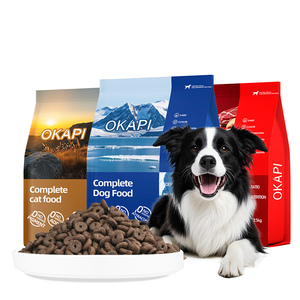
Nutritionally Balanced Complete Cat and Dog Food for Bulk Orders with Private Label Packaging Customization Options
Send an Inquiry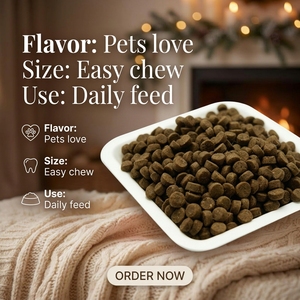
High Protein Chicken Freeze-Dried Coated Crisp Kibble Dog Food Healthy Muscle Gain Skin Health Small Breeds All Life Stages
Send an Inquiry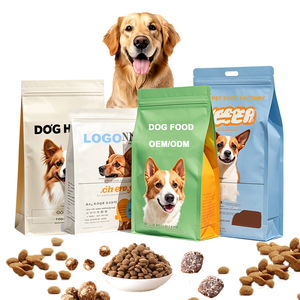
OEM Pet Dog Dry Food Wholesale Direct Sales Price Customization Healthy Delicious Dry Pet Dog Food
Send an Inquiry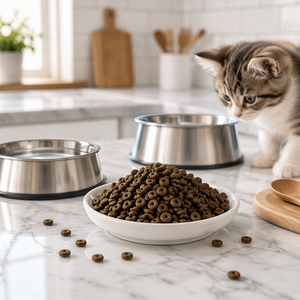
Mailushi Freeze-Dried Grain Free Cat Food Salmon Tuna Beef-Skin Coat Care Digestive Health Sensitive Stomachs All Life Stages Kg
Send an Inquiry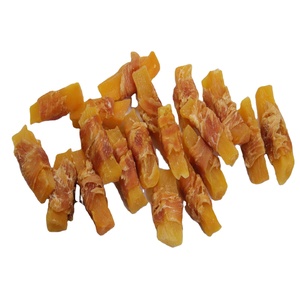
Wholesale Private Brand Natural Healthy Pet Snacks Dry Dog Food Sweet Potato with Chicken Dog Snacks
Send an Inquiry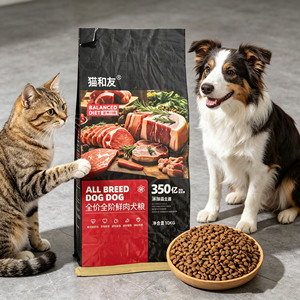
Pet Food Factory Wholesale Low Prices Dry Food For Dogs And Cats, 18%-35% Protein Dog Food, 10kg Bag, Puppy Adult Dog Kitten Cats
Send an Inquiry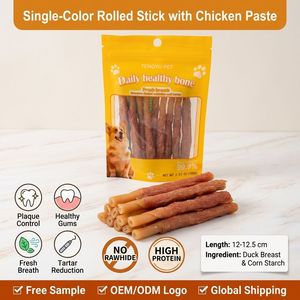
High Protein Duck Paste Coated Twisted Dog Chews Long Lasting Rawhide-Free Pet Treats
Send an Inquiry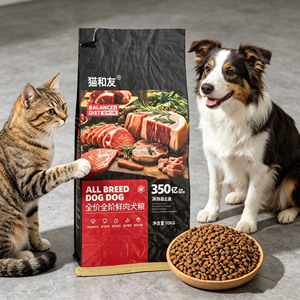
OEM ODM Best-Selling Wholesale Complete & All Life Stages 18%-45% Protein Dry Dog Food 10kg Dry Cat Food Low-priced Pet Food
Send an InquiryRetort Pouch Thermal Sterilization
Advanced continuous overpressure retort sterilization up to 121°C, guaranteeing non-refrigerated shelf stability exceeding 24 months for wet food formulas.
High-Barrier Film Engineering
Multi-layer lamination incorporating EVOH, Aluminum Foil, and Mono-Material Recyclable PE/PP films designed to restrict Oxygen Transfer Rates (OTR) and Moisture Vapor Transfer Rates (WVTR).
Bilingual & Canadian Regulatory Compliance
In-house regulatory auditing ensures full alignment with the Safe Food for Canadians Regulations (SFCR), Canadian Food Inspection Agency (CFIA) standards, and mandatory English/French labeling.
Strategic Sourcing Analysis: High-Barrier Food Pouches and Pet Food OEM Facilities for North America
The global pet food packaging and wet/dry food manufacturing market has underwent a major structural transition over the past decade. Brand owners, retail chains, and institutional importers across Canada—from Ontario and Quebec to British Columbia—are increasingly restructuring their supply chain operations to leverage advanced manufacturing ecosystems in Asia and Europe. Specifically, the demand for flexible food pouches, stand-up spouted pouches, quad-seal bags, and retort packaging has experienced exponential compound annual growth due to shifting consumer preferences toward fresh, single-serve, and highly nutritious pet foods.
To successfully capture market share in Canada's premium pet retail sector, brands require manufacturing partners that combine heavy chemical engineering capabilities with stringent food safety protocols. China's leading flexible packaging and pet food processing complexes have matured into world-class facilities capable of delivering extreme oxygen barrier performance, thermal endurance during retorting, and exact nutritional matrices ranging from 18% basic maintenance protein to 45% ultra-premium freeze-dried coated kibble diets.
Information Gain Key Takeaway: Procurement strategy for the Canadian market cannot rely solely on unit price evaluation. True competitive advantage stems from barrier layer integrity (preventing fat oxidation in high-fat formulas), micro-seal defect rates under cold-climate logistics, and rapid regulatory clearance via CFIA-aligned automated batch tracking.
Macro Trends Driving Flexible Food Pouch Adoption in Canada
Traditional rigid packaging—such as steel cans and glass jars—is rapidly losing shelf space to flexible retort pouches and multi-layer spouted structures across Canadian retail hubs like Toronto, Vancouver, and Montreal. The driving factors behind this migration include:
1. Logistical and Freight Efficiency: Flexible food pouches offer a 9:1 tare weight advantage over traditional metal cans. Unfilled pouches require up to 85% less storage volume during outbound transit from manufacturing hubs in China to Canadian ports (e.g., Port of Vancouver or Port of Montreal), reducing carbon footprints and ocean freight overhead per unit.
2. Superior Thermal Preservation of Nutrients: Retort pouches feature a significantly thinner profile than cylindrical metal cans. During high-temperature, short-time (HTST) thermal processing (typically 121°C to 125°C under counter-pressure), thermal energy reaches the core of the food mass up to 50% faster. This minimizes thermal degradation of essential amino acids, sensitive vitamins, and organic palatants in wet cat and dog formulas.
3. E-Commerce Optimization and Omnichannel Resilience: The boom in direct-to-consumer (DTC) pet food subscriptions in Canada requires packaging that withstands courier handling without denting, puncturing, or bursting under atmospheric pressure changes during air transit across provincial jurisdictions.
Technical Packaging Engineering: Barrier Layer Matrix and Retort Thermal Dynamics
When engineering high-performance food pouches and pet food packaging serving the North American market, material selection dictates shelf-life longevity, aroma retention, and lipid stability. Our manufacturing operations utilize state-of-the-art multi-layer co-extrusion and dry lamination equipment to achieve ultra-low permeation metrics.
Material Structure Comparison for Food & Pet Food Pouches
To assist brand buyers in selecting the appropriate substrate configuration, the technical parameters of primary flexible packaging structures are detailed in the comparative matrix below:
| Pouch Structure Configuration | Typical Layer Combination | OTR (cc/m²/24h) | WVTR (g/m²/24h) | Primary Application Scenario |
|---|---|---|---|---|
| Standard Dry Food Foil Laminate | PET / AL / LLDPE | < 0.05 | < 0.05 | 10kg - 15kg Large Format Bulk Kibble, High-Fat Diets |
| High-Barrier Clear Retort Pouch | PET / AlXOx or SiOx / Nylon / CPP | < 0.5 | < 0.5 | Microwavable Wet Foods, Transparent Window Treats |
| Heavy-Duty Foil Retort Pouch | PET / AL / BOPA (Nylon) / R-CPP | < 0.01 | < 0.01 | Wet Meat Gravy, Pâté, Mousse Retorted at 121°C |
| Sustainable Recyclable Mono-PE | MDO-PE / EVOH-PE / LLDPE | < 1.0 | < 1.0 | Eco-Conscious Dry Treats, Freeze-Dried Snacking |
Critical Engineering Parameters for Cold-Climate Supply Chains
Shipping products to and distributing them within Canada presents unique physical environmental stresses. Intermodal container shipments during North American winter months can experience temperatures dropping to -30°C in prairie provinces like Alberta and Saskatchewan, followed by heated distribution center environments. Standard polyethylene (PE) formulations become brittle at temperatures below -15°C, resulting in flex-cracking and seal failure along side-gussets during transit handling.
Our specialized China manufacturing plants incorporate impact-modified linear low-density polyethylene (LLDPE) blended with metallocene catalysts (mPE) into the sealant layer. This material adjustment lowers the glass transition temperature ($T_g$) of the inner seal layer down to -45°C, preserving pouch seal tensile strength and preventing micro-channelling leakages during harsh winter transport corridors across Canada.
Pet Nutrition Manufacturing: Custom Formulation and Protein Matrix Engineering
Beyond flexible film conversion, our vertically integrated infrastructure encompasses full-scale pet food processing operations. Serving private label brands, agricultural distributors, and mass retailers in North America, our dual-production framework supports nutritional spectrums ranging from economy commercial maintenance feeds to clinical-grade, single-protein hypoallergenic diets.
Formulation Capabilities: Crude Protein content customizable from 18% to 45%; Crude Fat adjustable from 8% to 24%. In-house twin-screw extrusion systems allow exact thermal cooking, high fresh-meat inclusion rates (up to 60% wet fresh meat slurries), and precise kibble density control.
Key OEM/ODM Nutritional Categories Manufactured for Global Brands
1. Freeze-Dried Coated Crisp Kibble: Utilizing vacuum freeze-drying technologies, raw organ meat, chicken liver, and salmon paste are micro-ground and vacuum-deposited onto the exterior of extruded kibble cores. This process elevates palatability without requiring synthetic flavor enhancers or artificial digest coatings.
2. Grain-Free & Single-Animal Protein Diets: Specifically engineered for animals with cutaneous food allergies or gastrointestinal sensitivities. Production lines utilize validated flushing and sanitization sequences between runs to eliminate cross-contact with common allergens like soy, wheat, gluten, or beef by-products.
3. Functional Treats & Dental Chews: Rawhide-free, highly digestible duck paste twisted treats and vegetable-based dental sticks. These items are baked or cold-extruded under controlled water activity ($a_w < 0.65$) metrics to prevent fungal growth while eliminating the safety hazards associated with traditional animal rawhide.
4. Hydration-Focused Wet Food Pouches: Formulated as complete single-serve meals or toppers featuring chunks-in-gravy, jellied cuts, fine pâtés, or whipped mousses. Balanced against FEDIAF and AAFCO nutritional profiles to support urinary tract health in domestic cats and small breed dogs.
Canadian Regulatory Compliance, CFIA Audit Readiness, and Quality Assurance Protocols
Importing pet food products into Canada involves strict adherence to multi-tiered regulatory frameworks enforced by federal agencies. Failure to comply with labeling, microbial, or raw material sourcing requirements can lead to shipment detentions at border ports of entry or compulsory product recalls.
Key Compliance Imperatives for Canadian Importers
• Safe Food for Canadians Regulations (SFCR): Importers must hold a valid SFCR license issued by the Canadian Food Inspection Agency (CFIA). Foreign production facilities must demonstrate complete hazard analysis, preventive control plans (PCP), and bi-directional lot traceability system integration.
• Bilingual Label Language Mandate: In accordance with the Consumer Packaging and Labelling Act, all consumer packaging distributed in Canada must feature mandatory text—including ingredient decks, guaranteed analysis tables, net weight declarations, and feeding guidelines—in both official languages (English and French) with equal legibility and font prominence.
• Microbiological and Chemical Purity Testing: Every commercial export batch undergo rigorous Certificate of Analysis (CoA) validation. Testing parameters cover heavy metals (Lead, Cadmium, Mercury, Arsenic), mycotoxins (Aflatoxin B1, Ochratoxin A), and pathogen screening (Salmonella spp., Enterobacteriaceae, E. coli).
Quality Management System Infrastructure
Our manufacturing sites operate in strict alignment with international quality management benchmarks:
• IFS Food v8 (Higher Level Certification): Audited processing security covering all raw ingredient intake, extrusion, retort sterilization, and secondary packaging lines.
• HACCP & GMP+ Feed Safety Assurance: Hazard Analysis Critical Control Points integrated directly into line operations with automated metal detection (Ferrous, Non-Ferrous, Stainless Steel 316) and X-ray inspection on all pouch packaging lines.
• ISO 14001 Environmental Standard: Sustainable production workflows prioritizing waste reduction, energy recovery during retort cooling cycles, and eco-conscious raw material procurement.
Why Canadian Brands and Importers Choose Our Facilities
End-to-end integration, proprietary formula ownership, and unmatched batch consistency across international supply routes.
11+ Years Industrial Continuity
Over a decade of continuous operation in high-grade food pouch production and pet food processing, building institutional expertise in export logistics, custom formulations, and global regulatory compliance.
In-House R&D & Proprietary Formulations
Our client partners retain 100% intellectual property rights over custom recipes under strict Non-Disclosure Agreements (NDAs). Recipes are developed in-house by experienced animal nutritionists and polymer chemistry engineers.
Veterinary Oversight & Clinical Verification
On-staff veterinary medical personnel oversee formulation safety, digest studies, palatability trials, and analytical profiling before any full-scale commercial run is authorized for release.
Dual Plant Redundancy & Global Reach
Operational facilities in both Spain and Ukraine, complemented by specialized packaging plants in China, provide dual-sourcing resilience, shorter shipping windows, and agile lead times across global markets.
Frequently Asked Questions for Canadian Procurement Teams
Direct answers regarding order minimums, lead times, regulatory compliance, and packaging specs.
❓ What are the Minimum Order Quantities (MOQs) for private label pet food and custom flexible pouches?
MOQs are structured based on the specific format and material configuration. For dry extruded kibble, initial commercial runs typically start at one full pallet (approx. 800kg to 1,000kg) per SKU. For wet pet food in retort pouches or tin cans, production batches begin at 5,000 to 10,000 units per formulation due to automated thermal retorting line calibration. For custom-printed flexible pouches (rotogravure or high-definition digital printing), MOQs vary from 10,000 to 30,000 pouches depending on bag geometry and dimensions.
❓ How long does the process take from initial brief to shipment arrival at Canadian ports?
A standard custom product launch timeline spans 6 to 8 weeks. Phase 1 (Weeks 1-2): Formula matrix development, raw material qualification, and packaging artwork proofing. Phase 2 (Weeks 3-4): Sample trial batching, laboratory analytical profiling, and palatability testing. Phase 3 (Weeks 5-6): Full-scale commercial extrusion/retorting, automated packaging, and final CoA issuance. Ocean transit from Asian manufacturing hubs to Vancouver takes approximately 14-18 days, or 28-35 days to Eastern Canadian ports (Montreal/Halifax).
❓ Do your food pouch designs comply with Canadian bilingual packaging mandates?
Yes. Our pre-press graphics team works directly with certified Canadian regulatory translation partners. We audit all packaging artworks to ensure accurate English and French translations for mandatory product declarations, net quantity statements, ingredient decks (following descending weight order), guaranteed analysis panels, and feeding guidelines in accordance with the Safe Food for Canadians Act (SFCA).
❓ Can your packaging lines support eco-friendly or 100% recyclable mono-material pouches?
Absolutely. We offer high-barrier mono-material PE (Polyethylene) and PP (Polypropylene) flexible pouch structures equipped with EVOH functional layers. These mono-material pouches are fully compatible with Canadian municipal store drop-off recycling programs while delivering Oxygen Transfer Rates (OTR) under 1.0 cc/m²/24h, ensuring sensitive fat matrices inside kibble or treat bags remain protected against rancidity and oxidative degradation.
❓ How are quality control checks conducted to prevent seal failures during low-temperature Canadian transit?
Every pouch production lot undergoes rigorous mechanical integrity testing, including ASTM F88 burst testing, vacuum chamber dye penetration leak checks, and differential scanning calorimetry (DSC) seal layer evaluations. Seal margins are reinforced using specialized metallocene resin blends engineered to remain ductile down to -45°C, eliminating micro-fracturing during winter intermodal transport across North America.
❓ What documentation is provided to ensure smooth CFIA clearance at Canadian customs?
We issue complete documentation packages with every export container. This includes the Official Veterinary Health Certificate issued by competent government authorities, Batch Certificate of Analysis (CoA) from ISO 17025 accredited testing laboratories, Detailed Ingredient Breakdown Statements, Non-GMO Certifications (where applicable), Master Bills of Lading, and complete HACCP batch traceability logs.