Featured Dental Treats & Chews Manufactured in Vietnam
Precision-engineered oral care solutions, grain-free extruded bones, and real-meat wrapped chews produced under strict IFS Food v8 and FEDIAF guidelines for global B2B distribution.
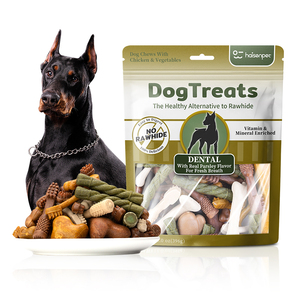
OEM/ODM Dog Food Factory Wholesale Popular Bone Shape Natural Clean Teeth Chew Pet Treat Dog Treats
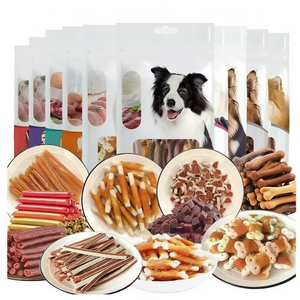
Chicken-Wrapped Organic Rawhide Beef Chicken Meat Chew Sticks 3 Pcs/Pack Teeth Grinding Chews | High-Protein Dental Bones for
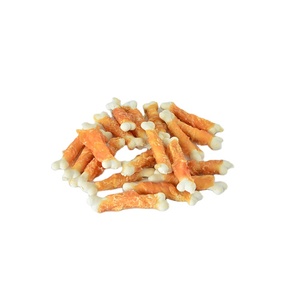
Chicken Wrapped Biscuits Dental Chews Additive-Free Dog Treats Factory Direct Supply
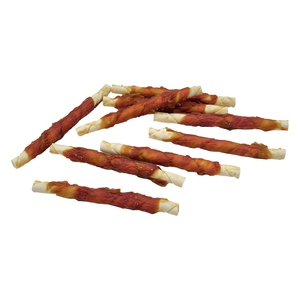
Enzymatic Meat Milk Flavor Grain-Free Twisted Dental Chews for Dogs-Long Lasting Teeth Cleaning Bones-Low Fat
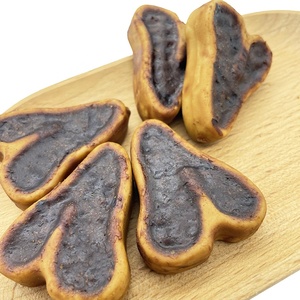
Innovative Shapes Meaty Based Best Tasting Oral Care Natural Dental Chews Dogs Food
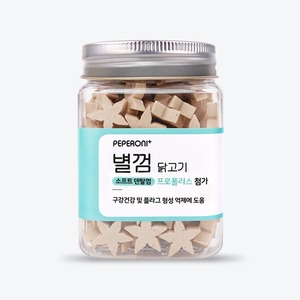
Treats PEPERONI Korean Dental Care Vitamin E Chicken Treats Single Protein 180g OEM
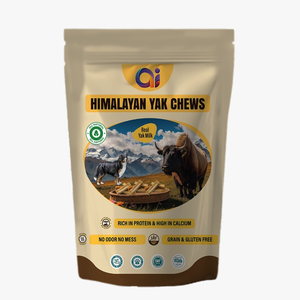
Premium Natural Dental Treats with Yak Milk Cow Milk High Calcium in Various Flavours OEM: Himalayan Yak Cheese Hard Dog Chews
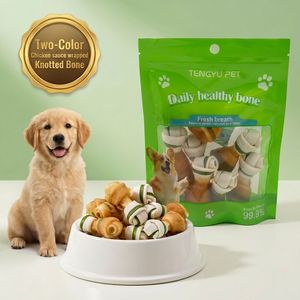
Wholesale Custom Logo High-Protein Mint Flavor 2.5-3inch Puppy Senior Soft Dog Dental Chews Meat Oral Health Pet Treats Plaque
The Strategic Shift: Why Chinese Dental Treat Manufacturers Are Scaling Operations in Vietnam
The global pet care landscape is undergoing a structural realignment. For over two decades, Chinese pet food manufacturers established unrivaled dominance in OEM/ODM production of functional pet treats, cold-extruded dental bones, and meat-wrapped chews. However, shifting geopolitical trade dynamics, complex tariff regimes (such as US Section 301 duties imposing tariffs exceeding 25% on Chinese-origin pet products), and evolving European import controls have impelled major Chinese manufacturers to execute a "China + 1" dual-hub manufacturing model.
Vietnam has emerged as the premier beneficiary of this industrial migration. By establishing modern, foreign-invested production facilities in key industrial zones across Southern Vietnam (such as Bình Dương, Đồng Nai, and Long An), veteran Chinese pet treat manufacturers have successfully merged their technical formulation prowess, proprietary machinery engineering, and deep supply chain expertise with Vietnam’s strategic trade advantages.
Tariff Mitigation & Duty Optimization
Exporting pet treats directly from Vietnam to North American and European markets unlocks preferential duty structures. Under the Generalized System of Preferences (GSP), EVFTA (EU-Vietnam Free Trade Agreement), and CPTPP, pet products produced in Vietnam enjoy zero or significantly reduced tariffs, saving global brand owners between 15% and 30% in landed import costs compared to direct exports from mainland China.
Agricultural Raw Material Proximity
Vietnam provides immediate regional access to top-tier raw materials vital for high-quality pet treat production. High-grade tapioca starch (the essential binder for grain-free dental chews), fresh poultry products, rice flour, and tropical marine collagen are abundantly sourced within domestic supply loops, reducing upstream transit time and stabilizing raw material cost structures against global market volatility.
B2B Sourcing Comparison: China Direct vs. Vietnam Chinese-Operated Facilities vs. Local Domestic Plants
For procurement executives and private label brand managers, evaluating contract manufacturing partners requires balancing regulatory compliance, tariff impact, technical execution, and raw material safety. The matrix below illustrates the operational trade-offs across sourcing channels:
| Evaluation Parameter | China Direct Factories | Vietnam (Chinese-Invested & Managed) | Local Vietnam Domestic Plants |
|---|---|---|---|
| US Import Tariff (Section 301) | High Duty (25% - 30%+) | 0% to Low Duty Baseline | 0% to Low Duty Baseline |
| EU EVFTA Preferential Status | Standard MFN Rates | Applicable Duty Reductions | Applicable Duty Reductions |
| Extrusion Technology & R&D | Mature / World-Class | Direct Technology Transfer | Basic to Intermediate |
| Raw Material Traceability | Established Domestic Chains | Dual-Sourced (Local + Audited Imports) | Primarily Local Sourcing |
| IFS Food v8 / BRCGS Compliance | Widespread Adoption | Fully Integrated Quality Protocols | In Progress / Selective |
| Supply Chain Resilience | Subject to Regional Port Congestion | Deepwater Port Access (Cat Lai/Cai Mep) | Varying Logistics Infrastructure |
High-Precision OEM/ODM Dental Chew Manufacturing in Vietnam
Our operational framework in Vietnam represents the convergence of European nutrition standards (FEDIAF), rigorous Chinese manufacturing efficiency, and compliant Vietnamese export infrastructure. Supported by a veteran technical team boasting 11+ years of dedicated pet food R&D, our facilities deliver end-to-end private label solutions tailored to strict brand specifications.
Advanced Extrusion Architecture
Utilizing multi-zone temperature-controlled twin-screw extruders, our lines achieve precise starch gelatinization and moisture equilibrium. This guarantees that cold-molded or heat-extruded dental bones retain optimal hardness to maximize mechanical plaque abrasion without risking tooth micro-fractures in canine patients.
Veterinary-Backed Formulations
Every dental treat recipe developed within our plants undergoes thorough nutritional auditing by in-house veterinary nutritionists. We incorporate clinical-grade active functional agents, including Sodium Hexametaphosphate (SHMP) for salivary calcium chelation, enzymatic complexes (amylase and glucose oxidase), green tea polyphenols, and soluble dietary fibers.
Rigorous Quality Assurance
Operating under IFS Food v8, HACCP, ISO 22000, and GMP+ certifications, our facilities mandate complete batch traceability. Raw ingredients undergo comprehensive heavy metal screening, mycotoxin testing, and microbiological validation (Salmonella, Enterobacteriaceae) prior to entering production lines.
Furthermore, our Vietnam operations maintain dedicated production runs for allergy-conscious formulations. By enforcing validated CIP (Clean-in-Place) sanitation protocols between batches, we guarantee single-protein purity and grain-free integrity across specialized SKUs, preventing cross-contact between poultry, novel proteins, and grain bases.
Localized Application Scenarios: Matching Formulations to Global Regional Demand
Pet oral health concerns vary significantly across international markets based on regional pet ownership demographics, dietary habits, and pet parent preferences. A successful private label line must align product geometry, textural density, and ingredient decks with localized retail expectations.
North American Market: High-Protein & Grain-Free Functional Chews
In the United States and Canada, pet parents prioritize grain-free, high-protein treat matrices that double as functional health supplements. Our Vietnam factory specializes in producing chicken-wrapped tapioca dental sticks and enzymatic dual-flavor twists that provide both physical tartar removal and extended chewing satisfaction.
- Key Texture Requirement: Controlled chewiness with a high elasticity modulus to ensure extended dental friction time without brittleness.
- Popular Geometries: 6-ridge star shapes, twisted bone contours, and meat-core injection-molded sticks.
- Claim Integration: Plaque reduction, tartar defense, grain-free base, artificial preservative-free guarantee.
European Market: Bio-Clean, Single-Protein & Eco-Conscious Packaging
European buyers demand clean labels, transparent ingredient provenance, and minimal environmental footprint under FEDIAF guidelines. Our dual-sourcing framework delivers single-protein dental snacks formulated with locally harvested duck, chicken, or marine collagen paired with sustainable tapioca or pea starch bases.
- Key Texture Requirement: Semi-soft to medium hardness designed for daily maintenance without excess caloric burden.
- Popular Geometries: Ergonomic toothbrush profiles, hollow cylinders for paste filling, and micro-nib chews for small breeds.
- Claim Integration: Monoprotein, zero additive, recyclable flexible packaging, full EU TRACES compliance.
Asia-Pacific (APAC) Market: Petite Breeds & Functional Beauty Additives
Markets in South Korea, Japan, and Southeast Asia are dominated by small-breed dogs (under 10kg) living in urban apartment environments. Oral health products in this region require smaller volumetric footprints, gentle bite resistance, and added cosmetic benefits such as skin-and-coat nutrition.
- Key Texture Requirement: Low-density extruded texture with customized elastic rebound tailored to smaller jaw compression limits.
- Popular Geometries: 2.5-inch micro bones, soft pepperoni-style dental bites, and multi-grooved sticks.
- Claim Integration: Added Vitamin E, Zinc, Omega-3 fatty acids, breath-freshening mint and parsley oils.
Veterinary & Specialty Channels: High-Density Hard Chews
For specialized clinical and premium veterinary distribution, mechanical plaque shear is paramount. Our Himalayan-style hard yak cheese chews and high-density long-lasting collagen chews provide sustained mastication for medium to large power-chewers.
- Key Texture Requirement: Ultra-high density ($>1.2 \text{ g/cm}^3$) achieving prolonged chewing durations (up to 45+ minutes).
- Popular Geometries: Thick Himalayan cheese blocks, dense multi-layer braided sticks.
- Claim Integration: Lactose-reduced, 100% natural, high calcium, mechanical teeth scraping action.
Strategic Trends Shaping Pet Oral Care Manufacturing in Vietnam (2026–2030)
As the B2B pet food manufacturing sector evolves, several critical technological and market forces are reshaping how dental treats are formulated, produced, and commercialized globally:
1. Transition to Rawhide-Free Digestible Collagen Matrices
Traditional rawhide chews face declining consumer demand due to choke hazards and low gastrointestinal digestibility. Modern factories in Vietnam are leading the transition toward 100% digestible collagen-gelatin blends wrapped with real chicken or duck meat. These engineered matrices dissolve safely in digestive fluids within 4 to 6 hours while delivering identical bite resistance.
2. Enzymatic & Oral Microbiome Modulation
Simple mechanical scraping is no longer sufficient for premium dental positioning. Modern formulas integrate biological anti-plaque agents. By incorporating natural enzymes (such as lysozyme and lactoperoxidase) alongside brown seaweeds (e.g., Ascophyllum nodosum), modern treats alter salivary chemistry to prevent bacterial bio-film consolidation long after the treat has been consumed.
3. Cold-Press Extrusion for Bio-Active Retention
High thermal processing degrades heat-sensitive vitamins, probiotics, and functional botanicals. Advanced manufacturing lines in Vietnam are deploying low-temperature cold-extrusion and post-drying coating technologies. This preserves the biological integrity of delicate additives such as active Vitamin E, probiotics, joint-supporting glucosamine, and heat-fragile botanical oils.
4. Automated 3D Multi-Texture Injection Molding
Visual differentiation on retail shelves drives initial consumer selection. Innovations in multi-component co-extrusion and 3D injection molding enable factories to combine contrasting textures within a single chew—such as a crunchy enzymatic outer matrix paired with a soft, meat-infused savory core—maximizing palatability and dental cleaning effectiveness.
Frequently Asked Questions: Sourcing Dental Chews from Vietnam
Clear, transparent technical answers to the most common questions raised by corporate procurement officers, quality assurance teams, and brand managers evaluating OEM/ODM pet treat manufacturing partners in Vietnam.
What are the typical Minimum Order Quantities (MOQs) for private label dental treat production in Vietnam?
Our baseline Minimum Order Quantity typically starts at 1 full 20-foot container (or approximately 3 to 5 metric tons) per production run for custom-extruded or injection-molded SKUs. For established base formulations utilizing standard stock shapes (such as bone or star profiles) with custom printed pouch packaging, starting MOQs can be adjusted down to 1,000 kg per SKU. Specific parameters are finalized during the initial technical brief based on custom color, flavor matrix, and packaging die-lines.
How do Chinese-invested factories in Vietnam ensure tariff origin compliance for US and EU customs?
Full tariff compliance relies on verifying substantial transformation under international Rules of Origin regulations. Our manufacturing operations in Vietnam perform complete raw material processing—including starch gelatinization, extrusion cooking, shaping, drying, meat wrapping, retorting, and final primary/secondary packaging—within Vietnamese facilities. We issue official Certificate of Origin (Form E, Form EUR.1, or Form D) issued by the Vietnam Chamber of Commerce and Industry (VCCI) or Ministry of Industry and Trade (MOIT), guaranteeing zero-risk customs clearance.
What certifications and food safety protocols do your Vietnamese facilities operate under?
Our manufacturing infrastructure in Vietnam operates under strict international food safety governance. Facilities maintain certified compliance under IFS Food v8 (Higher Level), BRCGS Global Standard for Food Safety, HACCP System Certification, and ISO 22000. Additionally, our plants maintain active US FDA Facility Registration and registered EU TRACES approval numbers, permitting seamless B2B distribution into North American, European, and Asian markets.
How long does the custom recipe R&D and sampling cycle take?
A standard custom formulation project moves from brief to validated pilot sample within 3 to 5 weeks. This phase encompasses: (1) Nutritional matrix modeling against FEDIAF/AAFCO profiles; (2) Raw material qualification; (3) Pilot extrusion or molding trial; (4) Laboratory verification of water activity ($a_w \le 0.65$), texture density analysis, and moisture levels; and (5) In-house palatability testing. Once physical samples receive brand sign-off, mass production lead times are typically 30 days post-packaging artwork approval.
Can your factory produce grain-free, single-protein, and hypoallergenic formulations?
Yes. We operate dedicated production schedules supported by validated Clean-in-Place (CIP) line purging protocols to prevent cross-contact. We specialize in formulation of 100% grain-free bases utilizing high-purity tapioca or pea starches, as well as monoprotein recipes (e.g., 100% duck, chicken, or hydrolyzed proteins). Every batch undergoes ELISA allergen testing to verify claim integrity for hypersensitive pet nutrition lines.
What packaging formats and retail-ready solutions are available for private label clients?
We provide comprehensive retail-ready packaging execution. Options include multi-layer barrier stand-up pouches (zip-lock, glossy/matte finish, spot UV), rigid plastic tubs, blister packaging with backing cards, display-ready corrugated shelf boxes (PDQ), and bulk master cartons. All artwork undergoes thorough technical proofing to ensure multilingual compliance with local regulatory labeling mandates (e.g., EU Regulation 767/2009 or AAFCO panel guidelines).
Ready to Optimize Your Pet Treat Supply Chain?
Partner with a vertically integrated contract manufacturer delivering Chinese technical formulation excellence, Vietnam-based zero-tariff export advantages, and European IFS v8 safety standards. Request a customized feasibility analysis and quotation for your private label range.
Get a Quote