Featured Private Label & OEM Product Solutions
High-capacity manufacturing lines specializing in extruded kibble, freeze-dried raw coatings, functional dental treats, and complete nutritional formulations compliant with FEDIAF and IFS Food v8 standards.
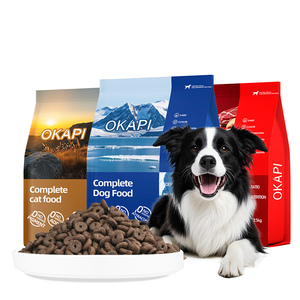
Nutritionally Balanced Complete Cat and Dog Food for Bulk Orders
Fully customizable dry food matrix tailored for multi-life stages. High digestibility profile, optimized protein-to-fat ratios, and customized barrier packaging options.
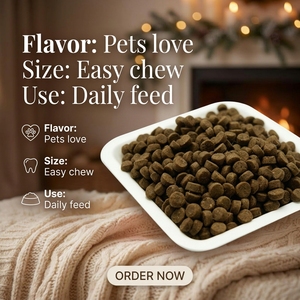
High Protein Chicken Freeze-Dried Coated Crisp Kibble Food
Advanced vacuum-coating technology infuses real freeze-dried meat powder into thermal kibble, delivering superior palatability and raw nutrient density.
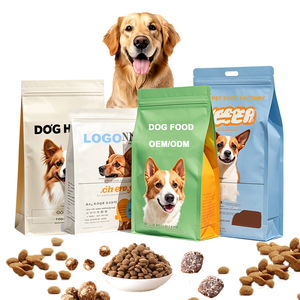
OEM Pet Dry Food Wholesale Direct Sales Price Customization
Cost-optimized twin-screw extrusion manufacturing engineered for supermarket and volume brand distribution without sacrificing macro-nutrient integrity.
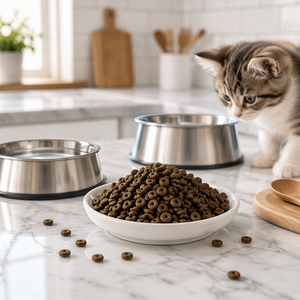
Mailushi Freeze-Dried Grain Free Salmon & Tuna Sensitive Cat Food
0% grain ultra-premium feline diet. Rich in natural omega fatty acids for skin-coat care and formulated with hydrolyzed proteins for sensitive stomachs.
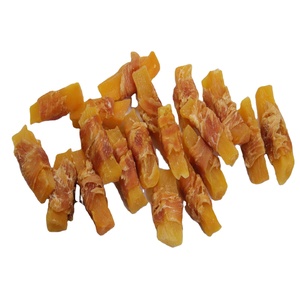
Wholesale Private Brand Natural Sweet Potato with Chicken Treats
Human-grade chicken fillet wrapped around fiber-rich sweet potato strips. Slow-dehydrated to preserve vital micronutrients and original flavor.
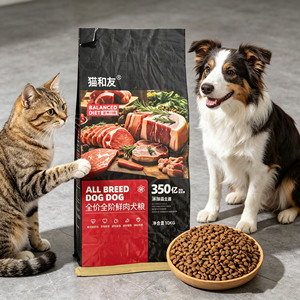
Factory Wholesale 18%-35% Protein Multi-Tier Bulk Dry Pet Food
Flexible crude protein customization options available in 10kg/15kg bulk commercial bags. Designed for fast-moving retail and international importers.
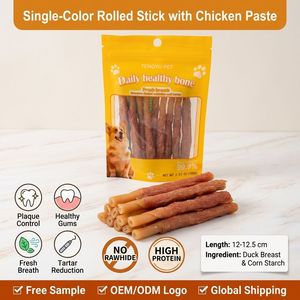
High Protein Duck Paste Coated Twisted Long Lasting Chews
100% digestible rawhide-free structural matrix coated with savory duck paste. Engineered for mechanical plaque removal and extended chewing enjoyment.
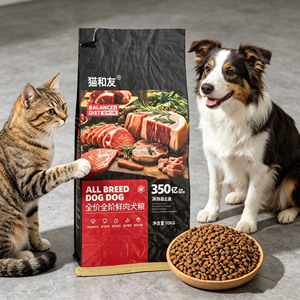
OEM/ODM 18%-45% High Protein Complete Life-Stage Dry Food
State-of-the-art feline & canine formulations featuring fresh meat slurries, specialized botanical extracts, and tailored kibble geometries.
Top 10 Cat Food Manufacturer Evaluation Criteria: A Technical B2B Sourcing Analysis
Selecting a long-term contract manufacturing partner in the global cat food ecosystem requires rigorous due diligence that spans far beyond simple unit pricing. Feline biology is inherently complex; as obligate carnivores, cats demand high levels of animal-derived protein, essential amino acids like taurine and arginine, specific fatty acid profiles (arachidonic acid), and strictly controlled mineral balances to prevent Lower Urinary Tract Diseases (FLUTD). Therefore, evaluating the Top 10 Cat Food Manufacturer & Factories demands a deep dive into thermal processing, raw material traceability, micro-nutrient stability, and palatability engineering.
1. Advanced Extrusion Technology & Thermal Moisture Control
The core of modern dry cat food production lies in the extrusion process. Tier-1 factories utilize twin-screw extrusion systems capable of handling high fresh-meat inclusion rates (up to 60-70% fresh slurry) while maintaining precise starch gelatinization. Pre-conditioning thermal profiles must be tightly regulated to preserve heat-sensitive vitamins and bioactive enzymes while achieving optimal expansion ratios for crisp kibble texture.
2. Vacuum Coating & Palatability Optimization
Because cats are notoriously meticulous palatability evaluators, leading manufacturing plants employ computerized vacuum fat and digest coating systems. Vacuum coaters pull liquid animal fats, hydrolyzed poultry/fish digests, and natural palatants deep into the internal pore structure of the kibble rather than leaving a greasy exterior layer, preventing lipid oxidation and improving shelf-life stability.
3. Quality Standards & Food Safety Assurance
Top-tier production facilities must operate under international feed and food safety frameworks. Vital technical accreditations include:
- IFS Food v8 (International Featured Standards): Ensures stringent hygiene, batch traceability, and hazard analysis.
- HACCP & GMP+: Systematic preventive approach to chemical, biological, and physical hazard controls during raw ingredient intake and thermal processing.
- EU Regulation (EC) No 767/2009 & FEDIAF Guidelines: Strict adherence to nutritional adequacy, maximum residue limits (MRLs), and transparent label declaration protocols.
Industry & Product Development Trends in Feline Nutrition
Key technical vectors shaping the next decade of commercial cat food development, global retail demand, and private label growth.
High-Meat & Grain-Free Diets
Shift toward biologically appropriate feline diets replacing high-glycemic cereals with fresh muscle meats, organ meats, and low-GI legume/tapioca starches for gut health.
Freeze-Dried Raw Infusion
Hybrid production combining thermally extruded core kibble with freeze-dried raw meat pieces or freeze-dried micronutrient coatings to maximize raw palatability and heat-sensitive enzyme retention.
Gut Microbiome & Phyto-Supplements
Integration of targeted prebiotics (FOS/MOS), postbiotics, spore-forming probiotics, and botanical herbal phyto-extracts (e.g., milk thistle, cranberry) for renal and urinary tract longevity.
Single-Source & Novel Proteins
Formulations leveraging single animal protein sources (e.g., duck, salmon, lamb) or novel proteins to address growing feline food sensitivity, skin allergies, and inflammatory bowel conditions.
Retort Pouches & Functional Wet Diets
Surging preference for high-moisture wet food formats in retort pouches and easy-open cans. Precise sterilisation profiles (F0 value control) ensure optimal nutrient bio-availability.
Sustainable & Traceable Sourcing
Global brands require fully audited supply chains—utilizing non-GMO ingredients, MSC-certified sustainable seafood, and zero-waste packaging formats to meet consumer ESG expectations.
Future Procurement Trends: Navigating Supply Chain Dynamics & Sourcing Agility
For brand owners, enterprise retailers, and global pet food importers, procurement strategy is shifting from transactional purchasing toward **integrated co-manufacturing partnerships**. Disruptions in global freight networks, volatile ingredient pricing, and shifting veterinary compliance standards have forced procurement leaders to adopt agile sourcing methodologies.
1. Dual-Sourcing & Geographical Redundancy
Relying on a single manufacturing facility presents immense operational risk. Elite contract manufacturers mitigate this by operating **dual-plant infrastructures** in geographically strategic hubs. For example, maintaining active production capacity across multiple European locations (such as Spain and Ukraine) provides brand owners with uninterrupted supply resilience, shorter transit times to major European ports, and duty-optimized tariff structures.
2. Agile Minimum Order Quantities (MOQs) & Batch Customization
Traditional contract manufacturing often demanded prohibitively large initial MOQs (10+ tons per SKU), stifling market innovation for new brand launches. Next-generation factories utilize flexible production scheduling and modular packaging lines that allow brand partners to run pilot batches starting at single-pallet volumes for dry food and single-retort charges for wet food pouches.
3. Regulatory Documentation & TRACES Clearance
Exporting pet food across international borders demands comprehensive veterinary paperwork. Procurement directors must verify that their chosen factory handles all aspects of export documentation internally, including:
- Official Veterinary Health Certificates (issued by state veterinary authorities).
- Batch Analytical Certificates of Analysis (CoA) verified by accredited third-party laboratories.
- TRACES (Trade Control and Expert System) integration for seamless European Union border crossing.
- Multilingual packaging compliance checks aligned with local labelling laws.
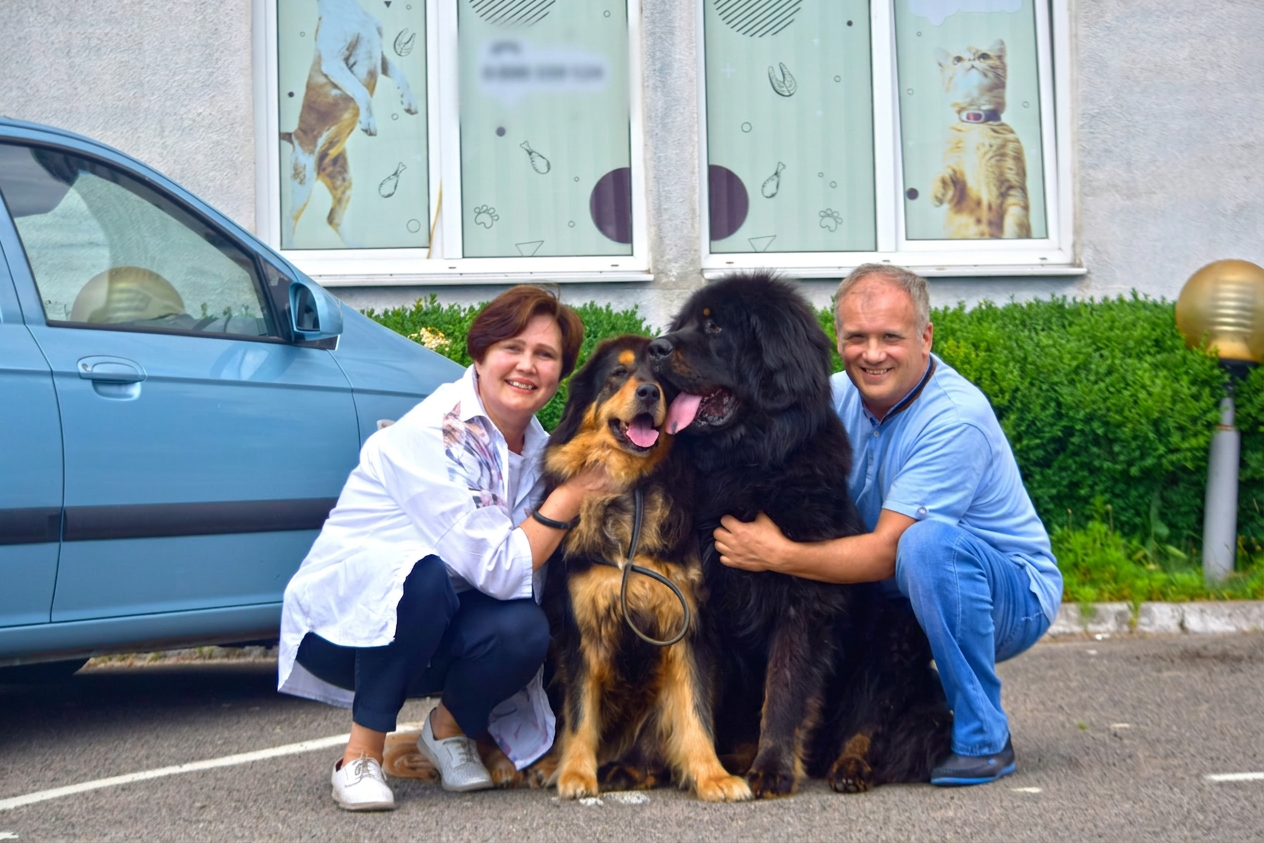
Why Leading Global Pet Brands Partner with Our European Manufacturing Network
Since 2014, Boffco Pet has operated as a family-owned, vertically integrated European private label and contract manufacturer dedicated entirely to companion animal nutrition. Operating two high-capacity production facilities in Spain and Ukraine, we oversee the entire value chain—from initial formula development to final palletization.
Every recipe is formulated in-house by expert nutritionists and thoroughly validated by staff veterinarians for palatability, bio-availability, and long-term vitality. Whether developing grain-free dry kibble, single-protein wet food pouches, or functional herbal supplements, our partners receive direct technical guidance without intermediary brokers.
Frequently Asked Questions: B2B Sourcing & Contract Manufacturing
Clear, authoritative technical answers to common questions asked by procurement officers, brand owners, and retail buyers.
Q: What is the typical Minimum Order Quantity (MOQ) for private label cat food manufacturing?
Initial production runs generally start at one full pallet per SKU for extruded dry cat food and one full production batch (retort charge) for wet food pouches or cans. Because exact parameters depend on custom foil printing, kibble die geometry, and specialized ingredient sourcing, MOQs are finalized during the initial technical brief.
Q: How long does the complete recipe development and sampling process take?
A custom formulation typically progresses from the technical brief to approved laboratory samples within four to six weeks. This timeline includes nutrient matrix formulation against FEDIAF standards, raw material qualification, pilot trial extrusion/retorting, palatability check by our veterinary team, and full laboratory analytical profiling.
Q: Which certifications and quality standards govern your production lines?
Our manufacturing facilities operate under IFS Food v8 certification, strict HACCP food safety protocols, GMP+ feed safety assurance, and ISO 14001 environmental management systems. All formulations follow FEDIAF guidelines and EU Regulation (EC) No 767/2009 for feed placing on the market.
Q: Can you manufacture hypoallergenic, single-protein, and grain-free cat foods?
Yes. We specialize in custom single-protein (mono-protein) wet and dry formulas with validated cleaning and flush protocols between production runs to eliminate cross-contact. We also develop specialized hypoallergenic, grain-free, life-stage (kitten, senior), and urinary health support formulations.
Q: Do you handle international export documentation and custom packaging design?
Yes. We issue complete batch Certificates of Analysis (CoA), official Veterinary Health Certificates, TRACES documentation, and provide multilingual packaging artwork compliance reviews to guarantee smooth customs clearance for EU, UK, Middle Eastern, and global markets.
Ready to Develop Your Next-Generation Cat Food Line?
Contact our European manufacturing & technical R&D team today. Share your formulation requirements, target price points, or product specifications for a comprehensive feasibility evaluation.