Featured OEM & ODM Product Specifications
Turnkey private label formulations optimized for palatability, digestive health, and international compliance.
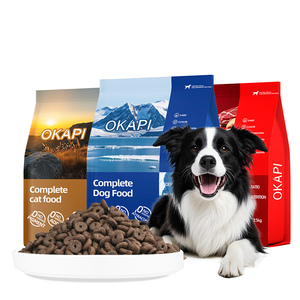
Nutritionally Balanced Complete Cat and Dog Food for Bulk Orders with Private Label Packaging Customization Options
Contact Us
High Protein Chicken Freeze-Dried Coated Crisp Kibble Dog Food Healthy Muscle Gain Skin Health Small Breeds All Life Stages
Contact Us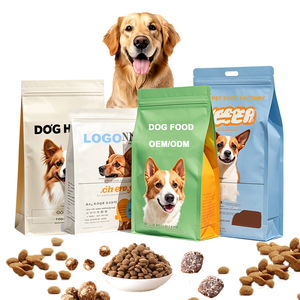
OEM Pet Dog Dry Food Wholesale Direct Sales Price Customization Healthy Delicious Dry Pet Dog Food
Contact Us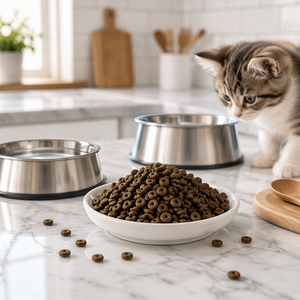
Mailushi Freeze-Dried Grain Free Cat Food Salmon Tuna Beef-Skin Coat Care Digestive Health Sensitive Stomachs All Life Stages Kg
Contact Us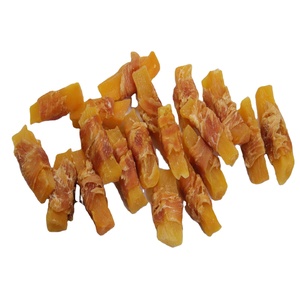
Wholesale Private Brand Natural Healthy Pet Snacks Dry Dog Food Sweet Potato with Chicken Dog Snacks
Contact Us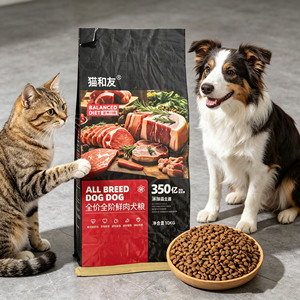
Pet Food Factory Wholesale Low Prices Dry Food For Dogs And Cats, 18%-35% Protein Dog Food, 10kg Bag,Puppy Adult Dog Kitten Cats
Contact Us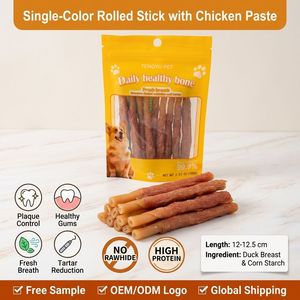
High Protein Duck Paste Coated Twisted Dog Chews Long Lasting Rawhide-Free Pet Treats
Contact Us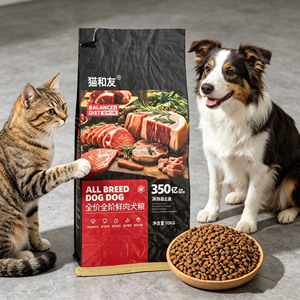
OEM ODM Best-Selling Wholesale Complete & All Life Stages 18%-45% Protein Dry Dog Food 10kg Dry Cat Food Low-priced Pet Food
Contact UsExecutive Whitepaper: Industrial Engineering of High-Palatability Custom OEM Cat Snacks & Functional Treats
An authoritative technical analysis on thermal extrusion profiles, vacuum oil coating, freeze-dried protein deposition, and regulatory compliance for global pet brand procurement directors.
1. The Biological & Physicochemical Foundations of Feline Palatability
Unlike canine omnivores, obligate carnivores (*Felis catus*) possess unique metabolic and sensory adaptations. Feline taste buds are completely devoid of the functional T1R2 receptor responsible for sweet taste perception, while displaying hyper-sensitivity to amino acids, nucleotide peptides (such as inosine monophosphate), and specific organic acids. Consequently, engineering a market-leading OEM cat snack requires a dual focus on chemical palatability signals and physical kibble architecture.
Our research and development team, operating in compliance with European FEDIAF and US AAFCO safety standards, utilizes advanced thermal extrusion and low-temperature freeze-drying processes to protect essential heat-sensitive micronutrients. Crucially, taurine—an essential beta-amino sulfonic acid—undergoes thermal degradation if subjected to sustained temperatures above 130°C in humid extrusion barrels. To offset processing losses and guarantee label claim integrity over a 24-month shelf life, our custom OEM cat snacks utilize controlled vacuum-coat slurry dosing post-extrusion.
Thermal Extrusion & Density Control
Utilizing co-rotating twin-screw extruders, we control die-face pressure and specific mechanical energy (SME) to achieve ideal kibble expansion ratios. Moisture levels are strictly maintained below 6.0% ($a_w < 0.60$), stopping microbial activity without artificial preservatives.
Vacuum Coating & Palatant Spraying
By applying a vacuum differential, enzymatic animal digest slurries and hydrolysed poultry proteins penetrate deep into the porous kibble matrix. This prevents surface greasiness while maximizing aroma release upon mastication.
Freeze-Dried Coated Crisps
Combining crispy extruded cores with raw freeze-dried meat coatings provides a sensory profile cats naturally favor. Lyophilization at -40°C preserves structural protein matrix integrity and critical anti-oxidant vitamins.
Comparative Nutritional & Processing Matrix for Custom OEM Cat Snack Formulations
| Snack Format / Category | Crude Protein (%) | Crude Fat (%) | Max Moisture ($a_w$) | Key Functional Additives | Primary B2B Target Market |
|---|---|---|---|---|---|
| Freeze-Dried Coated Kibble | 38.0% – 48.0% | 14.0% – 18.0% | < 5.0% ($a_w \le 0.55$) | Raw Freeze-Dried Chicken, Taurine, DL-Methionine | Super-Premium Specialty Brands & Vet Clinics |
| Functional Crunchy Dental Treats | 30.0% – 36.0% | 10.0% – 14.0% | < 7.0% ($a_w \le 0.60$) | Sodium Hexametaphosphate (SHMP), Kelp Meal | Mass Retail, Supermarkets & Pet Chains |
| Hairball Control Crisps | 32.0% – 38.0% | 12.0% – 15.0% | < 6.5% ($a_w \le 0.58$) | Sugar Beet Pulp, Micronized Psyllium Husk, Cellulose | E-commerce & Indoor Cat Specialized Lines |
| Single-Protein Hypoallergenic Chews | 40.0% – 52.0% | 8.0% – 12.0% | < 6.0% ($a_w \le 0.55$) | 100% Hydrolysed Duck/Salmon, Zinc Chelates | Clinical & Sensitive Stomach Private Labels |
Strategic Industry Insights: Feline Snack Sourcing & Procurement Trends (2025–2030)
Understanding shifts in global consumer purchasing behavior allows pet brand owners to engineer products that capture market share.
1. Clean Label & Single-Source Animal Proteins
Global pet parents are scrutinizing ingredient decks with human-grade rigor. OEM importers are moving away from ambiguous "meat meal" declarations toward single-origin proteins (e.g., 100% Norwegian Salmon, Free-Range Spanish Chicken). Facilities capable of verified single-protein production with non-cross-contamination guarantees will dominate commercial contracts.
2. Preventative Health & Functional NUTRACEUTICALS
Cat snacks are transitioning from simple rewards to targeted preventative care vehicles. Demand is surging for functional claims supported by active bio-compounds: Joint support (Glucosamine + Chondroitin), Urinary Tract Health (Cranberry extract + Ammonium Chloride for pH control), and Microbiome regulation (Prebiotics like FOS/MOS and heat-stabilized postbiotics).
3. High Barrier Eco-Friendly Packaging
Regulatory mandates in the EU (PPWR guidelines) and North America are forcing brands to shift from multi-layer aluminum laminates to fully recyclable mono-material structures (PE/PE or PP/PP) with oxygen transmission rates ($OTR$) under $1.0\text{ cm}^3/\text{m}^2/\text{day}$. Factory partners must offer qualified sustainable packaging lines without sacrificing shelf stability.
Why Global Brands Partner With Our Manufacturing Facilities
Vertically integrated production in Europe (Spain & Ukraine) delivering dual-sourcing flexibility, stringent quality management, and rapid market entry.
Dual Facility Resilience
Two production centers across Spain and Ukraine give brand owners continuous supply chain redundancy, optimized logistics corridors across Europe, Asia, and North America, and lower lead times.
IFS Food v8 & HACCP Certified
Operating under the world's most rigorous GFSI-recognized quality assurance audits, ensuring batch-to-batch chemical purity, full physical traceability, and total microbiological safety.
In-House Veterinary R&D
Formulations are developed by veterinary nutritionists, subjected to in-house trial panels for palatability scoring, and validated by third-party ISO 17025 accredited laboratories prior to batch release.
Low Flexible MOQs
We reduce initial batch thresholds (starting at 1 full pallet per SKU for dry/crisps) to assist emerging brands in testing market response without excessive capital tie-up.
Frequently Asked Questions by OEM & Export Procurement Officers
Everything you need to know about contract manufacturing parameters, legal documentation, custom recipe IP, and shipping logistics.
What is the baseline Minimum Order Quantity (MOQ) for custom private label cat snacks?
For extruded crunchy treats and coated kibble, our standard initial trial run starts at 1 full pallet per SKU (approx. 500 kg to 1,000 kg depending on final bag dimensions). For wet snacks, pouches, or freeze-dried products, MOQs are determined based on raw material batch sizes during technical consultation.
How do you ensure non-cross-contamination for single-protein or hypoallergenic cat treats?
We operate certified CIP (Clean-In-Place) and dry-cleaning sanitation protocols validated by surface allergen swabs and DNA PCR testing between production shifts. Dedicated protein runs (e.g., 100% Duck or 100% Salmon) are scheduled with strict cleaning buffer windows.
Which regulatory certifications and export health documents do you provide for customs clearance?
We supply comprehensive export documentation packages including Official Veterinary Health Certificates, Certificates of Analysis (CoA) per batch, Free Sale Certificates (FSC), TRACES documentation for EU movement, and FDA registration details for US imports under EU Regulation (EC) No 767/2009.
What is the typical timeline from custom recipe formulation to container dispatch?
A standard OEM formulation project requires 4 to 6 weeks for sample development, analytical lab verification, and palatability testing. Once the artwork and recipe receive final approval, commercial production and packaging lead times take approximately 3 to 4 weeks.
Does the brand owner retain intellectual property (IP) rights over custom-developed recipes?
Yes. Under our contract manufacturing agreement, bespoke formulations developed specifically for your brand under a formal R&D mandate remain your exclusive intellectual property protected by mutual Non-Disclosure Agreements (NDAs).
Ready to Launch or Scale Your Private Label Cat Treat Line?
Connect with our technical pet nutrition directors. Receive custom formulation feedback, regulatory guidance, and commercial pricing models within 24 hours.