Premium Grain-Free & Super-Grain Export Portfolio
Direct factory supply for global importers, private label distributors, and food processing brands adhering to IFS v8, FEDIAF, and ISO standards.
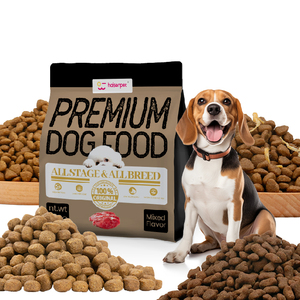
Premium Dog Food Grain Free Hypoallergenic Fresh Meat Formula Adult Puppy Dogs OEM ODM Factory Wholesale Supply Pet Food
Inquire Now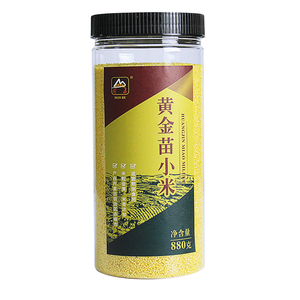
Premium Hulled Yellow Millet Natural Whole Grain in Bottle Non GMO Gluten Free Grain for Porridge Soups Meals
Inquire Now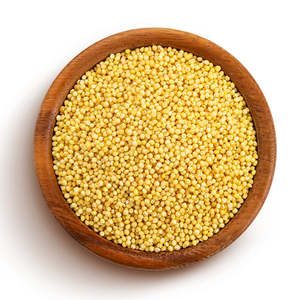
Bulk Export Quality Proso Millet Whole Grain Packed Fresh Non GMO And Chemical Free Bulk Wholesale Orders Accepted Worldwide
Inquire Now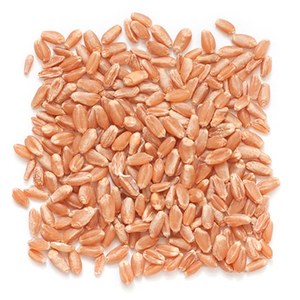
Best Quality Bulk Organic Long Grain Durum Wheat Grains Soft Ukrainian Supplier GMO-Free Hard Texture Food Animal Feed IQF
Inquire Now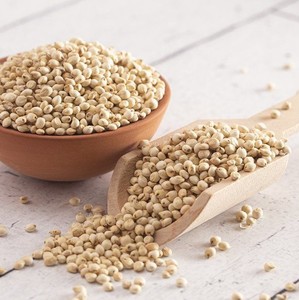
Organic Sorghum Jowar Grains Non GMO Gluten Free Bulk Export New Crop High Protein Low Moisture Quality
Inquire Now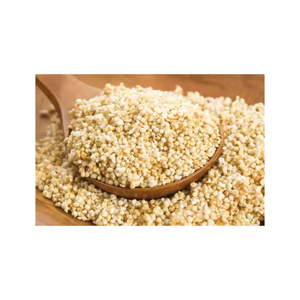
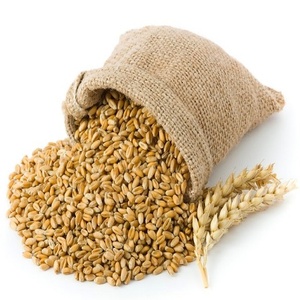
Best Quality Organic Long Grain Durum Wheat Grains Soft NL 11%-12% Protein GMO-Free Hard Texture Food Animal Feed IQF Frozen
Inquire Now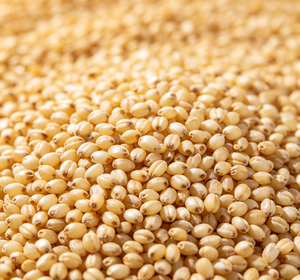
Organic Sorghum Grains Gluten-Free Super Grain Sorghum for Vegan Diet & Gluten-Free Recipes
Inquire NowVertically Integrated Manufacturing & Quality Architecture
Engineered for technical procurement officers, global brand managers, and commercial importers who require zero cross-contamination and guaranteed analytical compliance.
In-House Veterinary & R&D Panel
Every single formulation undergoes stringent nutrient matrix modeling against FEDIAF and AAFCO guidelines, validated by certified staff veterinarians and animal nutrition PhDs prior to production scale-up.
IFS Food v8 & GMP+ Certified
Operates under rigorous European and international quality assurance frameworks, including full HACCP sanitation loops, ISO 14001 environmental safety, and EU Regulation (EC) No 767/2009 compliance.
Dual-Plant Supply Resilience
Strategic manufacturing hubs in Spain and Eastern production centers provide localized dual-sourcing flexibility, mitigating geopolitical supply bottlenecks, shortening lead times, and optimizing freight logistics.
Dedicated Allergen Cleaning Validation
State-of-the-art twin-screw extruders and retort sterilization systems utilize validated clean-in-place (CIP) protocols to ensure absolute zero cross-contact for single-protein and grain-free runs.
Turnkey Export Regulatory Support
Full-service export documentation including Certificate of Analysis (CoA), phytosanitary permits, veterinary health credentials, TRACES tracking, and customized multilingual packaging compliance.
Global Procurement Outlook: Navigating China’s Grain-Free Manufacturing Ecosystem
The global demand for high-protein, grain-free pet food formulations and ultra-clean non-GMO ancient grains has reshaped the international agricultural and pet care supply chain. As B2B buyers, private label owners, and multinational distributors evaluate manufacturing partners in China and globally, the focus has shifted from basic low-cost production toward technical compliance, starch gelatinization efficiency, digestible amino acid profiles, and robust biosecurity protocols.
China has emerged as a powerhouse in agricultural grain-free processing, leveraging advanced extrusion machinery, extensive cold-chain logistics, and large-scale pulse protein extraction capabilities. By combining raw ingredient processing (such as yellow millet, sorghum, amaranth, and pea protein isolates) with specialized pet food extrusion lines, top-tier Chinese exporters offer unmatched scalability and customized formulation flexibility for international brand owners.
Market Trends Driving Grain-Free & Super-Grain Demands (2026–2030)
To maintain market leadership, B2B sourcing managers must align their product development strategies with four macro-level consumer and technological shifts currently sweeping the pet nutrition and functional food industries:
1. Novel Protein & Single-Source Animal Protein Integration
Canine and feline gastrointestinal sensitivities have driven a sharp uptick in demand for hypoallergenic, single-protein grain-free kibbles. Formulators are pairing fresh, deboned meats (such as duck, salmon, lamb, and rabbit) with low-glycemic vegetable starch binders like sweet potato, tapioca, and pea starch. Advanced double-stage vacuum coaters allow high-fat liquid palatants and omega-rich oil matrices to be infused directly into the kibble core without causing oxidation or structural disintegration during shipping.
2. Rise of Ancient Grains & Super-Grain Alternatives
While grain-free remains a dominant segment, the market is simultaneously expanding into "super-grain" and ancient grain categories. Ingredients such as hulled yellow millet, organic sorghum (jowar), and amaranth seeds offer rich micronutrient profiles, abundant natural polyphenols, and high dietary fiber without triggering gluten-sensitive enteropathies. Procurement officers frequently order combined shipments containing both fully grain-free extruded pet diets and bulk-packed non-GMO super-grains for multi-tier product lines.
| Ingredient / Matrix Type | Nutritional & Functional Profile | Key Industrial Applications | Procurement Storage Standard |
|---|---|---|---|
| Fresh Meat Grain-Free Formula | Crude Protein >32%, Digestible Fat 16-18%, Zero Gluten, Low Ash | Super-Premium Dog & Cat Kibble, Breed-Specific Diets | Vacuum sealed, nitrogen-flushed, <10% Moisture |
| Hulled Yellow Millet | High Magnesium, Rich in B-Vitamins, Naturally Gluten-Free | Human Porridges, Functional Pet Treats, Health Meals | Cool, dry bulk silo, humidity controlled <13% |
| Organic Sorghum (Jowar) | Abundant Tannins/Antioxidants, Slow-Digesting Starch Profile | Hypoallergenic Pet Foods, Vegan Meals, Gluten-Free Bakery | Standard multi-wall paper or woven PP bags |
| Amaranth Seeds | Complete Amino Acid Matrix (High Lysine), Squalene-Rich | Functional Pet Supplements, Superfood Blends, IQF Inclusion | Aseptic tote bags, sealed against oxygen exposure |
3. Strict Mycotoxin & Chemical Residue Surveillance
With stringent EU and US FDA import rejections occurring over aflatoxins, vomitoxins (DON), and ochratoxin A, leading exporters in China have installed high-performance liquid chromatography (HPLC) testing equipment on-site. Raw grains and pulses undergo rigorous screening prior to entering the milling and extrusion streams, ensuring that finished goods consistently exceed international safety benchmarks.
4. High-Efficiency Extrusion & Retort Sterilization Technology
The transition from single-screw to twin-screw extruders has vastly improved starch gelatinization rates (exceeding 92%), enhancing nutrient bioavailability for companion animals. Furthermore, in wet pet food pouch and can manufacturing, multi-phase steam-air retort sterilizers ensure commercial sterility while preserving delicate heat-sensitive vitamins and organic amino acids.
Technical Criteria for Evaluating OEM/ODM Grain-Free Suppliers
Selecting a manufacturing partner requires deep due diligence across engineering capabilities, quality assurance protocols, and formula control measures. Sourcing teams should systematically grade potential suppliers against the following operational criteria:
A. Recipe Formulation & Analytical Control
A qualified OEM partner must offer more than stock formulas. They should possess the internal scientific expertise to formulate bespoke recipes tailored to specific life stages (puppy/kitten, adult maintenance, senior, weight management) or targeted health benefits (joint mobility, dermatological care, gut microbiome balance). Laboratory validation must include guaranteed analysis for crude protein, crude fat, crude fiber, ash, moisture, calcium, phosphorus, taurine, and omega 3:6 ratios.
B. Extrudate Density & Kibble Structural Integrity
Extrudate density directly impacts packaging fill weights, palatability, and chewability. Exporters must demonstrate precise control over cutter speed, die design, barrel temperature zones, and pre-conditioner steam injection. Kibble coated with natural digestible digest palatants must demonstrate low breakage during bulk ocean transport, minimizing fines and dust in final consumer packaging.
C. Traceability & Batch Documentation
Full forward and backward batch traceability is essential. From raw material intake numbers to final container loading photos, every production lot must be backed by a comprehensive Certificate of Analysis (CoA) issued by accredited third-party laboratories (such as SGS, Eurofins, or Intertek).
Detailed Analysis of Export Grain & Pet Food Categories
Understanding the technical properties of exported grain-free products helps procurement officers select the optimal SKUs for their target market segments:
Hypoallergenic Fresh Meat Pet Foods
Formulated without corn, wheat, soy, or artificial preservatives, these formulas utilize fresh deboned chicken, beef, or duck meat combined with digestible carbohydrates like sweet potato or tapioca. The extrusion process is fine-tuned to maintain heat-labile vitamins while achieving optimal kibble expansion and crunchiness. Ideal for premium brand positioning in North America, Europe, and Southeast Asia.
Whole Yellow Millet & Proso Millet
Millet is a staple gluten-free grain celebrated for its low glycemic index and alkaline-forming properties. Available in both hulled and whole grain variations, it serves dual roles in high-end human health food formulations and specialty avian or companion animal feed blends. Standard export packaging includes 25kg multi-layer kraft paper bags or 1-ton bulk bags with desiccant protection.
Organic Sorghum (Jowar) & Amaranth Seeds
These ancient crops are gaining significant market share due to their drought-tolerant agricultural footprint and rich nutritional profiles. Amaranth boasts a complete protein spectrum containing all nine essential amino acids, making it a valuable addition to functional pet treats and superfood diets. Sorghum provides a steady, slow-release glucose curve, ideal for diabetic-care pet diets and gluten-free human foods.
Frequently Asked Questions (FAQ) for B2B Sourcing
Essential operational and technical insights for international buyers, sourcing agents, and brand owners negotiating private label contracts.
Standard first-run MOQ starts at one full 20ft container (approx. 10 to 12 metric tons) per SKU for dry extruded kibble, allowing optimal run-times on extrusion machinery and custom bag printing. For bulk grains (millet, sorghum, amaranth), MOQs typically begin at 20 metric tons (1x40ft FCL) with custom packaging options.
Developing a bespoke formula takes approximately 3 to 5 weeks from initial brief to approved sample. This timeline includes nutrient matrix calculation against FEDIAF/AAFCO standards, pilot batch extrusion, internal palatability testing, laboratory analytical verification, and packaging layout approval.
Our partner processing plants operate under IFS Food v8, HACCP food safety plans, GMP+ feed security assurance, ISO 22000, and ISO 14001 environmental management. All exported animal feed and pet foods comply strictly with EU Regulation (EC) No 767/2009 and US FDA import guidelines.
Cross-contamination is controlled via dedicated production schedules, physical segregation of raw ingredient storage, and fully validated Clean-In-Place (CIP) wet or dry sanitization cycles between production shifts. DNA-based PCR testing is conducted to verify zero cross-contact of gluten or unintended proteins before batch release.
We offer full turnkey export documentation including Official Veterinary Health Certificates, Phytosanitary Certificates, Certificate of Origin (Form E, CO, etc.), Certificate of Analysis (CoA), and Bill of Lading. Standard shipping terms include FOB, CIF, CFR, FCA, and DAP depending on your logistics requirements.
Ready to Scale Your Grain-Free Product Line?
Connect directly with our technical sales engineers to request customized formulation quotes, factory audit reports, product samples, or bulk grain spec sheets.