Choosing Private Label Pet Food Manufacturing can turn a business idea into a visible product on store shelves. It allows retailers, veterinary practices, and emerging brands to develop recipes without building a factory. The manufacturer may handle formulation, ingredient sourcing, production, packaging, and quality testing. That support matters when every batch must look consistent and smell familiar.
Dr. Greg Aldrich, a recognized pet food formulation specialist, has stated, “Innovation in pet food must begin with nutritional adequacy and ingredient quality.” His point is practical. A beautiful pouch cannot replace balanced nutrition, careful processing, and transparent sourcing. Experienced manufacturers can help brands select proteins, grains, oils, vitamins, and functional ingredients for specific product goals. They can also support feeding trials, laboratory analysis, shelf-life checks, and clear label development.
The benefits are substantial. Faster market entry is one. Flexible order volumes are another. Brand owners can test a salmon recipe, collect customer feedback, and adjust future production. Still, the model is not effortless. Minimum order quantities may strain cash flow. Ingredient changes can affect texture, color, or acceptance. A manufacturer may promise flexibility, yet its capacity could be limited during peak seasons.
That deserves scrutiny.
A dependable partner should explain its quality systems, traceability process, allergen controls, and recall procedures. It should provide evidence, not vague assurances. Businesses also need independent professional advice when evaluating nutrition claims and regional requirements. Private label success is not simply about adding a logo to a bag. It depends on disciplined decisions, honest communication, and a willingness to question convenient answers.
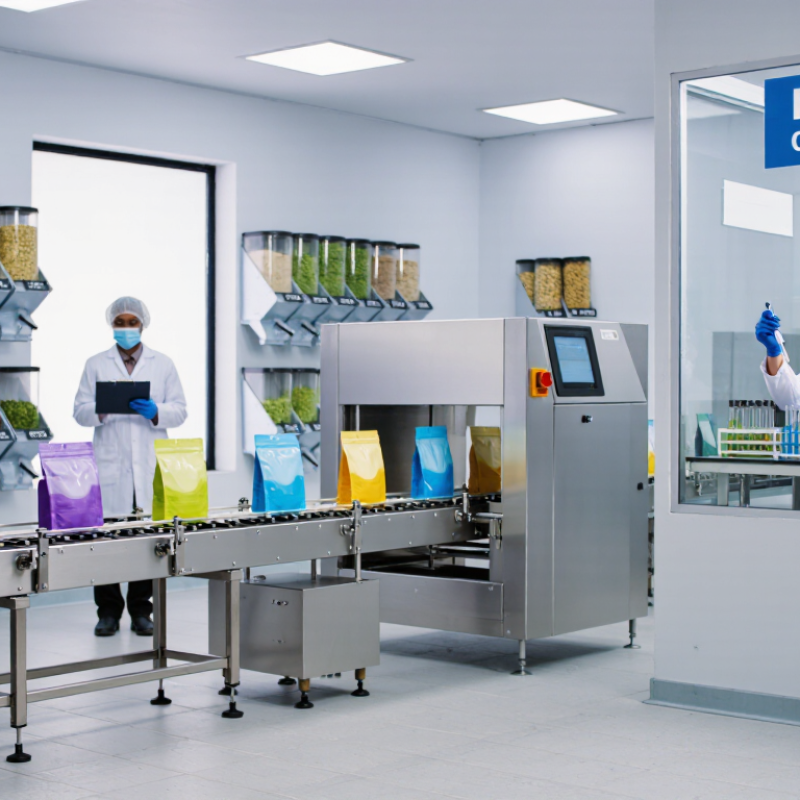
Why Choose Private Label Pet Food Manufacturing?
U.S. pet spending reached $152 billion in 2024, according to the American Pet Products Association (APPA). This figure reflects a large, active market. Owners continue investing in daily nutrition, treats, and specialized feeding needs. However, strong spending does not guarantee easy sales. Buyers compare ingredient lists, feeding guidance, package sizes, and value. Every detail matters. A product must earn trust.
Private label manufacturing can help businesses enter this market with more control. Companies can develop recipes, select formats, and create packaging suited to specific customers. An experienced manufacturing partner may also provide formulation support, production planning, quality checks, and batch documentation. These practical services can reduce uncertainty during development. They cannot replace careful decisions.
The model is not effortless. A rushed launch may create inconsistent texture, unclear instructions, or excessive packaging costs. Those problems can weaken customer confidence quickly. Reliable manufacturers should explain sourcing, testing procedures, allergen controls, and traceability records. They should also support compliance with applicable food and labeling requirements in each target market. Independent testing may add time and expense, but it can reveal issues before products reach consumers. A thoughtful review process is sometimes slower. That is often useful.
Pet food and treats generated $65.8 billion in 2024, according to an APPA report. That figure shows strong consumer demand, but it does not guarantee product success. It also measures the wider category, not private-label sales alone. Private label manufacturing can help businesses enter this market with tailored recipes, controlled packaging, and clearer product positioning. A capable manufacturing partner can support ingredient selection, nutritional formulation, production planning, and documented quality checks. These details matter when customers inspect texture, aroma, ingredient panels, and feeding guidance.
Practical experience often reveals the less attractive side. A formula may look excellent in a spreadsheet but perform poorly during production. Small changes in moisture can affect texture and shelf stability. Pilot batches, laboratory testing, and retained samples help identify these problems early. Traceability records also make investigations more reliable when questions arise. Manufacturers should verify suppliers, review sanitation procedures, and confirm that labels meet applicable regulations. Independent technical specialists can strengthen this process, especially for nutritional claims. Still, no launch is perfect on the first attempt. Taste preferences vary, packaging can underperform, and forecasts may be wrong. Careful reviews after each batch create better decisions than confident assumptions.
Private label pet food manufacturing commonly follows two models: OEM and ODM. OEM production uses your formula, ingredient list, packaging requirements, and quality specifications. The manufacturer produces the food to those instructions. This approach suits companies with nutrition expertise or a clearly developed product concept. You control more details. However, you also carry greater development responsibility.
ODM manufacturing begins with a manufacturer’s existing formula or product framework. You can usually adjust flavor, protein source, texture, package size, or positioning. This model may reduce development time and initial technical work. It can help a new pet food business test demand with fewer resources. The trade-off is less product uniqueness. Similar formulas may exist under different labels.
Neither model is effortless. A practical partner should provide batch records, ingredient traceability, laboratory testing, and clear production specifications. Ask how the facility manages moisture control, contamination prevention, shelf-life studies, and label review. Feeding guidance and product claims should match available evidence and the target market’s requirements. A small pilot batch can reveal problems that samples hide, such as crumbly texture, strong odor, or poor palatability. ODM may be faster, but OEM often offers deeper control. The better choice depends on your technical resources, budget, and desired market difference.
The U.S. pet industry reached $147 billion in 2023, according to the American Pet Products Association’s 2024 report. That growth raises expectations for safer, better-documented pet food. Private label manufacturing can provide tighter oversight when quality systems are transparent and regularly reviewed.
The FDA regulates pet food safety, ingredients, manufacturing controls, and labeling. Under the Food Safety Modernization Act, facilities must identify hazards and maintain preventive controls. AAFCO is not a government regulator. However, its 2024 Official Publication provides widely used nutrient profiles and model labeling rules adopted by many states. A complete formula should meet the correct life-stage profile, such as growth, maintenance, or all-life-stages nutrition. Laboratory testing should verify nutrients, moisture, pathogens, and contaminants before release.
That sounds straightforward. It is not. Small errors in ingredient specifications can affect finished nutrition. Manufacturing records should connect each lot to suppliers, test results, production dates, and release decisions. Experienced teams also review label claims carefully. “Complete and balanced” requires evidence, not attractive wording.
Tips: Request a current FDA registration status, preventive-control records, and certificates of analysis. Confirm testing methods and laboratory accreditation. Review AAFCO nutrient targets with a qualified animal nutritionist. Keep retained samples from every production lot. Do not rely only on a supplier’s reputation; paperwork can still contain gaps.
Private label pet food manufacturing offers control over recipes, packaging, and market positioning. Supplier selection determines whether that control survives production. APPA’s 2024–2025 National Pet Owners Survey reports about 82 million U.S. households own pets. Demand is substantial, but buyers still need disciplined sourcing.
Compare minimum order quantities, not just quoted prices. A low MOQ can reduce inventory risk, while a high MOQ may lower unit costs. Ask for exact lead times, including formulation, testing, production, and shipping. FDA food safety rules emphasize preventive controls, so request HACCP-based procedures and documented traceability. Certifications such as ISO 22000, BRCGS, or FSSC 22000 can support confidence, but certificates require verification. Check scope, expiry dates, audit status, and manufacturing locations. Do not assume every certificate covers pet food.
Tips: Request three recent batch records, a sample certificate of analysis, and a written recall procedure. Test finished products for pathogens, moisture, contaminants, and guaranteed-analysis accuracy. Independent laboratory testing adds credibility. A supplier should explain test methods clearly. Silence is a warning.
The best comparison uses a shared scorecard. Measure MOQ, lead time performance, testing frequency, complaint response, and documentation quality. A 20-day promise means little without historical delivery records. Consider pilot production before committing to large volumes. It may expose weak packaging seals or inconsistent texture. That inconvenience is useful. Review results with a qualified pet nutritionist and regulatory specialist, because formulation decisions can affect safety, labeling, and long-term trust.
Supplier Selection: Comparing MOQ, Lead Times, Certifications, and Testing
These non-branded planning benchmarks reflect commonly encountered private-label pet food qualification ranges: approximately 500–5,000 bags per SKU for MOQ, 30–90 calendar days for production lead time, 2–5 relevant certifications or compliance documents, and 4–10 routine testing categories. Actual requirements vary by formula, packaging format, destination market, and supplier capabilities.
Private label production can support tailored recipes, controlled packaging, and clearer product positioning. It may reduce internal workload. However, market demand does not guarantee success. Customer preferences can still change.
OEM production follows your formula, ingredients, packaging, and quality requirements. ODM production starts with an existing formula or product framework. OEM offers deeper control. ODM may provide faster development.
ODM may suit a business with limited technical resources and a smaller starting budget. It can help test demand sooner. The compromise is reduced uniqueness. Similar products may already exist.
Quality checks should cover moisture, nutrients, pathogens, contaminants, texture, aroma, and shelf stability. Suppliers should be verified. Sanitation procedures need regular review. Paperwork matters.
Pilot batches can expose problems hidden by product samples. Food may become crumbly, overly moist, or unpleasantly strong-smelling. Small tests reduce expensive surprises. A spreadsheet cannot predict everything.
Food safety authorities regulate ingredients, manufacturing controls, and labeling. Facilities generally need hazard analysis and preventive controls. Nutritional claims require supporting evidence. Requirements vary by market.
Request batch records, ingredient traceability, laboratory results, supplier details, and release decisions. Also review preventive-control records and laboratory qualifications. Missing documents deserve attention.
A qualified animal nutritionist should review the formula against the correct life-stage nutrient profile. Laboratory testing should verify finished nutrition. Feeding guidance must match the product evidence. Attractive wording is not enough.
Businesses may underestimate packaging problems, taste preferences, production changes, or weak forecasts. Moisture can alter texture and shelf life. We may overestimate demand. Post-batch reviews encourage better decisions.
Private Label Pet Food Manufacturing offers businesses a flexible way to enter or expand within the growing pet nutrition market. U.S. pet spending reached approximately $152 billion in 2024, while pet food and treats accounted for about $65.8 billion, highlighting strong demand and significant opportunities for customized products. Through OEM manufacturing, companies can produce formulas under their own specifications, while ODM manufacturing provides ready-developed solutions that can be adapted to meet market needs, target consumers, and positioning goals.
Successful private label development depends on selecting a reliable supplier and maintaining strict quality standards. Manufacturers should follow applicable FDA requirements and ensure products meet AAFCO nutritional standards for safety, labeling, and nutritional adequacy. When comparing suppliers, businesses should evaluate minimum order quantities, production lead times, certifications, laboratory testing, ingredient controls, and quality assurance procedures. A careful selection process can help create consistent, compliant, and market-ready pet food products while supporting long-term growth.