0%

Sourcing Herbal Phyto Supplements for Pets in 2026 requires more than comparing prices and attractive packaging. Pet owners, retailers, and veterinary professionals need evidence, traceability, and practical supplier experience. The right product should match the animal’s species, age, size, health status, and feeding routine. A supplement designed for dogs may not suit cats, birds, or small mammals.

Reliable sourcing begins with the manufacturer. Look for documented quality systems, responsible ingredient procurement, and batch-level testing. Certificates of analysis should identify botanical species, active compounds, contaminants, and testing methods. Testing for heavy metals, pesticides, microbes, and undeclared pharmaceuticals is essential. Packaging should show clear dosage guidance, storage conditions, lot numbers, and expiry dates. Avoid suppliers making dramatic treatment promises. Those claims often signal weak scientific standards.

Veterinary consultation remains important. Herbal ingredients can interact with medicines, anesthesia, or existing conditions. A qualified veterinarian can help assess risks before purchase. Regulations also vary between countries, so suppliers must follow applicable labeling, import, manufacturing, and advertising requirements. Never assume that “natural” means harmless.

A polished certificate is not proof by itself. I have seen impressive product pages with limited technical detail. That is a warning. Ask direct questions and keep written records. Request stability data, recall procedures, and independent laboratory reports when available. Supplier interviews can reveal how seriously a company handles mistakes.

This guide examines practical sourcing decisions for Herbal Phyto Supplements for Pets. It focuses on transparent verification, ethical procurement, and safer long-term partnerships. Some evidence may remain incomplete. Good sourcing admits that uncertainty and keeps reviewing it.
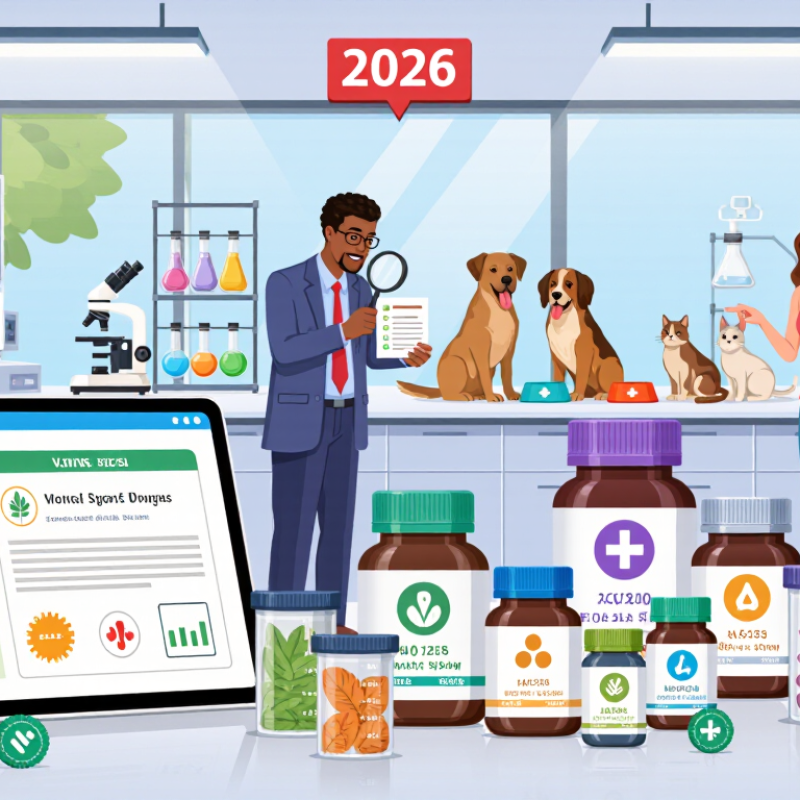
How to Source Herbal Phyto Supplements for Pets in 2026?

Define Demand: APPA Reports Pets in 66% of U.S. Households (2023–24)

How to Source Herbal Phyto Supplements for Pets in 2026?

APPA’s 2023–2024 National Pet Owners Survey reports that pets live in 66% of U.S. households, equal to about 86.9 million homes. This figure signals broad demand, but it does not mean every household will buy herbal phyto supplements. Dogs and cats have different needs, while age, breed, diet, and veterinary history also influence purchasing decisions. APPA recorded approximately $147 billion in U.S. pet industry spending during 2023. Its 2024 estimate reached about $150.6 billion. These figures support careful market testing, not automatic volume forecasts.

Source products with documented botanical identity, species-specific directions, and batch-level certificates of analysis. Check testing for heavy metals, pesticides, microbes, and unwanted contaminants. Supplier records should show manufacturing controls and stable storage conditions. FDA guidance matters because “natural” does not automatically mean safe or effective for animals. Veterinary review is essential, especially when products may affect medication use. A neat spreadsheet can still mislead. Herbal evidence for pets remains uneven.

Tips: Segment demand by species, life stage, and health goal before contacting suppliers. Request samples, COAs, stability data, and adverse-event procedures. Compare active-compound concentrations rather than relying on plant names alone. Start with a small purchase order and review customer feedback carefully. Mistakes are possible. Track them honestly.

How to Source Herbal Phyto Supplements for Pets in 2026?

U.S. pet ownership reached 66% of households in 2023–24, representing approximately 86.9 million households. This broad household base supports demand research for pet wellness and herbal phyto supplement products.

Source: U.S. National Pet Owners Survey, historical 2017–18 through 2023–24 household ownership estimates.

Check Compliance: FDA CVM Has No Separate Pet-Supplement Category

How to source herbal phyto supplements for pets in 2026 begins with a regulatory reality. The FDA Center for Veterinary Medicine has no separate pet-supplement category. A product may instead be treated as animal food, a feed additive, or an animal drug. Its intended use and marketing claims matter greatly. Words such as “treats arthritis” or “prevents infection” can create drug claims. That changes the compliance pathway.

A careful buyer should review every ingredient before requesting prices. Ask for botanical identity, plant part, extraction method, and concentration. Request recent certificates of analysis for each batch. These should address identity, potency, heavy metals, pesticides, microbes, and unwanted contaminants. Check whether the supplier can provide traceable lot numbers and stable storage conditions. Packaging should identify the animal species, directions, warnings, net contents, and responsible contact. Labels need professional review. A polished label can still contain risky claims.

I would also involve a veterinarian and a regulatory specialist early. They can assess dosing, interactions, and the product’s legal positioning. Supplier audits help, but paperwork is not proof. I have learned that missing raw-material records often appear only after detailed questioning. That should slow the purchase. Herbal variability remains a practical concern. Seasonal harvests, extraction solvents, and testing limits can change results. Keep written decisions, retain samples, and monitor complaints after launch. A small pilot batch may reveal problems that a large order hides.

Qualify Botanicals: Verify Identity, Potency, Purity, and Veterinary Evidence

When sourcing herbal phyto supplements for pets in 2026, qualify each botanical before discussing price. Record its accepted Latin name, plant part, growing region, harvest date, and extraction method. “Herbal blend” is not enough. Ask for batch-specific certificates of analysis, not generic files. Independent testing should confirm identity, marker compounds, microbial limits, pesticides, heavy metals, and unwanted solvents. Potency can vary between harvests. Treat that variation as a purchasing risk.

Tips: Request samples from multiple batches. Compare laboratory results with the label. Check seal integrity, storage temperature, expiry dating, and traceability codes. Keep retained samples for future investigation. A clean document does not always mean a clean process.

Veterinary evidence should guide product selection, especially for cats, dogs, and animals with liver or kidney conditions. Look for published studies, pharmacopoeia references, safety data, and clearly described dose ranges. Evidence from humans may offer context, but it cannot automatically justify animal use. Ask a qualified veterinarian to review species suitability, possible drug interactions, and monitoring needs. Start with conservative evaluation plans and document appetite, stool changes, sedation, skin reactions, or other unexpected signs. No certificate is perfect. Supplier audits, repeat testing, and honest reporting of uncertainty build stronger reliability than confident marketing.

Audit Suppliers: Require COAs for Heavy Metals, Microbes, and Pesticides

When sourcing herbal phyto supplements for pets in 2026, begin with the supplier’s evidence, not attractive packaging. Request a current Certificate of Analysis for every production lot. The document should identify the plant material, lot number, test date, laboratory, and analytical methods. A generic certificate is not enough. It may describe a similar product from another batch.

Heavy metal testing should cover lead, arsenic, cadmium, and mercury. Ask whether results are reported in units suitable for the intended pet serving. Microbial reports should include total aerobic count, yeast and mold, and relevant pathogens.

Pesticide screening must reflect the herbs’ growing regions and processing risks. A long test list looks reassuring, but unclear detection limits weaken its value. Check whether “not detected” includes a stated limit.

Ask the supplier to explain sampling procedures. Poor sampling can produce a clean report from an uneven batch. Review laboratory accreditation, method validation, and chain-of-custody records where available. Compare the COA with your own retained sample, especially after shipment or storage. Keep temperature and humidity records. Small details matter.

I once treated paperwork as proof of quality. That was too optimistic. Suppliers can provide complete files and still need closer questioning. Visit the facility when practical, interview quality staff, and document corrective actions. Recheck suppliers periodically, because agricultural conditions and testing performance can change.

Approve Production: Apply NASC Quality Controls and Full Batch Traceability

Sourcing herbal phyto supplements for pets in 2026 requires more than attractive ingredient lists. Production approval should begin with NASC quality controls, documented procedures, and responsible supplier checks. Ask where each herb was grown, how it was identified, and whether contaminants were screened. Botanical identity matters. So does dosage accuracy.

Every incoming material should carry a lot number, supplier record, test results, and receiving date. The manufacturer should connect that information to blending, encapsulation, packaging, and release records. A clear batch code must lead back to the raw material source within minutes, not days. Keep retain samples from every production run. Review certificates of analysis, but do not accept them blindly; independent verification may reveal gaps in identity, moisture, heavy metals, microbes, or pesticide residues.

NASC-aligned quality controls should include written sanitation procedures, calibrated equipment, staff training, deviation reports, and corrective actions. Operators should document line clearance before a new batch begins. Pet products also need careful label review, serving instructions, species considerations, and adverse-event tracking. A supplier may provide polished paperwork and still lack practical discipline. That weakness deserves attention.

Traceability is not only a database feature. It is a routine test. Select a finished unit, trace it backward to every ingredient, then forward to each shipment. Record the time required. A spreadsheet can still fail. Reviewers should challenge assumptions, investigate missing signatures, and improve the process before approval.

FAQS

How large is the potential U.S. pet market?

Pets live in about 66% of U.S. households. That equals roughly 86.9 million homes. Not every household will buy herbal products. Test demand carefully.

Should dogs and cats receive the same herbal product?

No. Species, age, breed, diet, and medical history can change product suitability. Use species-specific directions. Ask a veterinarian before use.

What documents should a supplier provide?

Request botanical identity, plant part, extraction method, concentration, and batch certificates. Ask for traceable lot numbers and storage records. Missing documents matter.

Which safety tests are important?

Testing should cover heavy metals, pesticides, microbes, moisture, and unwanted contaminants. Compare active-compound levels, not plant names alone. Labels can mislead.

How can buyers check legal positioning?

Product classification may depend on ingredients, intended use, and marketing claims. Avoid claims about treating, curing, or preventing diseases. Obtain professional review.

What should appear on the product label?

The label should identify species, directions, warnings, net contents, and a responsible contact. Serving details must be easy to read. Small print creates confusion.

How can production batches remain traceable?

Every material needs a lot number, supplier record, test result, and receiving date. Connect these records to blending, packaging, and shipments. Minutes matter.

What quality controls should a manufacturer use?

Use sanitation procedures, calibrated equipment, trained staff, deviation reports, and corrective actions. Keep a sample from every batch. Paperwork alone is not proof.

Should a buyer place a large opening order?

Start with samples or a small purchase order. Review feedback, complaints, stability data, and adverse-event procedures. A spreadsheet can still fail.

What should buyers reconsider during supplier approval?

Challenge missing signatures, unclear testing, and unexplained ingredient variation. Seasonal harvests can change results. I may still miss a weak assumption.

Conclusion

Sourcing Herbal Phyto Supplements for Pets in 2026 requires a structured process that begins with clear market demand. With pets living in approximately 66% of U.S. households, suppliers should identify species-specific needs, intended uses, and acceptable product formats before development. Since pet supplements do not have a separate regulatory category under the main animal-health framework, businesses must carefully review applicable requirements for ingredients, labeling, manufacturing, and marketing claims. Products should be supported by reliable veterinary evidence and should avoid statements that imply unapproved disease treatment.

Botanical suppliers must verify ingredient identity, potency, purity, and consistency through qualified testing. Supplier audits should require current certificates of analysis covering heavy metals, microbial contamination, pesticides, and other relevant risks. Production approval should include documented quality controls, controlled processing, lot-level records, and complete batch traceability from raw material to finished product. This disciplined approach helps create safer, more transparent, and more dependable Herbal Phyto Supplements for Pets while supporting responsible communication with veterinarians, retailers, and pet owners.

Amelia

Amelia

Amelia is a professional marketing specialist dedicated to helping businesses understand practical solutions, emerging trends, and effective strategies within the industry. With a strong knowledge of the company’s products, she transforms complex features into clear, useful insights that help......