Choosing the China Best Extruded Dry Dog Food Manufacturer requires more than comparing prices or factory photographs. Buyers need evidence of stable production, ingredient control, and responsible quality management. This introduction explores how manufacturers earn trust through practical performance, not polished promises.
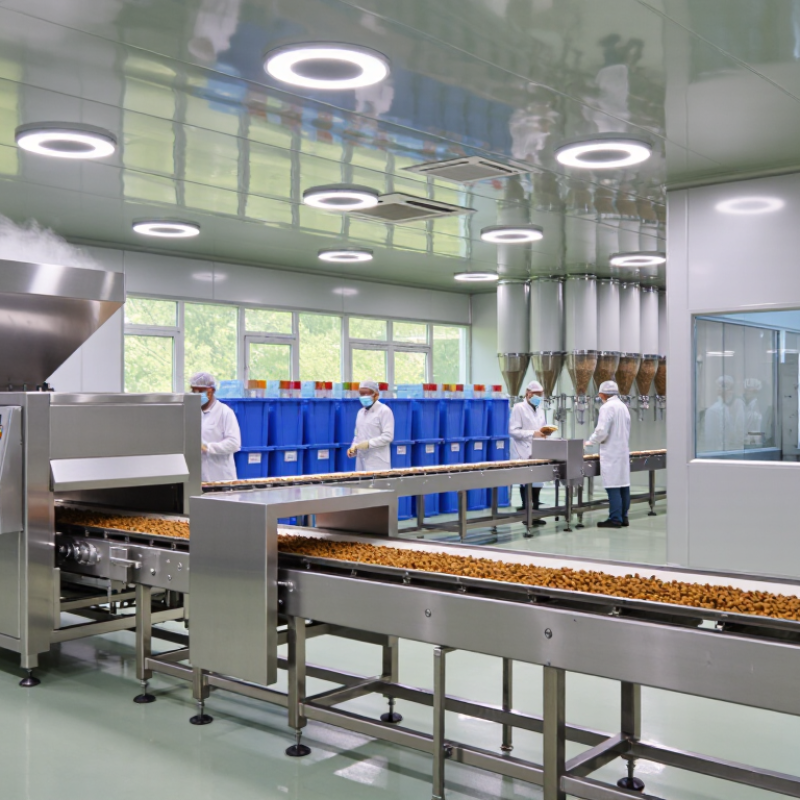
Extruded Dry Dog Food Manufacturing involves several controlled stages. Ingredients are received, identified, and tested before grinding and blending. Water and steam soften the mixture inside a preconditioner. The extruder then applies heat, pressure, and mechanical energy to shape the kibble. Drying reduces moisture. Coating adds fat, flavor, or nutritional ingredients after cooling. Each step can affect digestibility, texture, aroma, and shelf life.
Details matter. A reliable supplier should explain batch records, metal detection, laboratory testing, and sample retention. Traceability should connect finished bags with ingredient lots and production dates. HACCP-based controls, GMP practices, and destination-market requirements also deserve careful review. Certifications can support credibility, but certificates alone cannot prove consistent product quality. Ask for recent test reports and independently verify them.
No factory is perfect. Formulas may behave differently during seasonal changes, and attractive samples may not represent long-term production. That point deserves honest discussion. Strong manufacturers welcome audits, controlled trials, and corrective action when results fall short. They also communicate clearly about minimum order quantities, lead times, packaging, and private-label support. For a dependable partnership, experience must be measurable, technical knowledge must be transparent, and every promise should survive inspection.
What Is Extruded Dry Dog Food?
Extruded dry dog food is made by grinding and mixing ingredients before cooking them under heat, moisture, and pressure. The warm mixture passes through a shaped die, creating familiar kibbles. Afterward, the pieces are dried and cooled. A measured coating of fat or flavor may be added to improve taste and energy density.
This process can reduce moisture and help control many common microorganisms. It also creates a shelf-stable food that is easy to measure and store. In a properly controlled facility, technicians check ingredient identity, moisture levels, cooking conditions, and finished-product safety. Quality teams may also review nutrient calculations and feeding data against recognized canine nutrition standards. These checks matter more than attractive kibble shapes.
Still, extrusion is not magic. High heat can affect some nutrients, so manufacturers must balance temperature, time, and formulation. Different dogs may respond differently to the same recipe. A dry, crumbly piece may suit one dog but frustrate another with dental sensitivity or poor appetite. I have also seen how storage changes the eating experience: an open bag near humidity can lose freshness quickly. Clear labeling, batch testing, controlled storage, and honest nutrition information provide stronger evidence than vague claims about premium quality.
What Is Extruded Dry Dog Food?
Typical moisture content by dog food format
Extruded dry dog food is produced by mixing ingredients, applying heat and pressure, and forcing the mixture through a die to form kibble. Its moisture content is typically around 8–12%, which is considerably lower than semi-moist and canned formats. Lower moisture helps create a shelf-stable product when it is properly processed and packaged.
How to Evaluate Chinese Extruded Dog Food Manufacturers
China Best Extruded Dry Dog Food Manufacturer?
How to Evaluate Chinese Extruded Dog Food Manufacturers
Choosing a Chinese extruded dog food manufacturer requires more than comparing catalog prices. The real test begins inside the plant. Ask how raw materials are approved, stored, and traced by lot. A reliable facility should show written specifications for proteins, grains, oils, vitamins, and minerals. Observe the extrusion line carefully. Temperature, moisture, pressure, and residence time should be recorded consistently. Small changes can affect kibble density, digestibility, and breakage during transport. Request recent test reports for pathogens, moisture, crude nutrients, and mycotoxins from qualified laboratories. Documents matter, but the production floor often tells a clearer story.
Evaluate experience through production records, not confident presentations. Ask for pilot batches and compare color, odor, size, texture, and guaranteed analysis across repeated runs. Keep samples from every shipment. They reveal drift. Check whether the manufacturer investigates deviations and records corrective actions. Packaging should resist humidity, carry clear lot codes, and support practical shelf-life tracking. A serious supplier can explain lead times, minimum order quantities, storage conditions, and recall procedures without vague promises. Independent audits can increase confidence, but they cannot replace your own technical review. I would also conduct controlled palatability testing, because laboratory data cannot predict every dog’s response. This part is uncomfortable. A factory may pass paperwork while still needing better communication or batch consistency.
Key Manufacturing Standards and Quality Controls
Choosing a reliable China-based extruded dry dog food manufacturer starts with controlled raw materials, not attractive packaging. Experienced facilities verify supplier records, ingredient identity, moisture, protein, fat, and contamination risks before production. Each lot should carry a traceable code from receiving dock to finished carton. This matters when a quality concern appears. Records must be usable, not merely stored.
During extrusion, trained operators monitor grinding size, steam, temperature, pressure, and residence time. These variables affect starch cooking, kibble density, texture, and nutrient availability. Automatic sensors help, but people still inspect the process. A small temperature drift can change product consistency. Finished kibble needs tests for moisture, water activity, nutrient levels, pathogens, and oxidation. Sampling should follow a written plan, with independent review when results look unusual. One weak point remains: no test can replace clean equipment and disciplined sanitation.
Strong manufacturers separate raw and cooked zones, control staff movement, and document cleaning verification. They calibrate scales, thermometers, and laboratory instruments on schedule. Packaging checks should confirm seal strength, label accuracy, lot coding, and storage conditions. Warehouses need dry floors, pest control, and stock rotation. Audits and corrective actions show whether the system works. Still, perfection is unrealistic. A mature facility admits gaps, investigates complaints, and improves procedures instead of hiding inconvenient data. Buyers should request current certificates, test summaries, recall procedures, and evidence of routine quality reviews.
Product Development, Customization, and Private Label Services
China Best Extruded Dry Dog Food Manufacturer?
Product development starts with evidence, not attractive packaging. FEDIAF’s 2024 Facts and Figures report estimates that 139 million European households own a pet. This demand requires stable nutrition and dependable supply. An experienced Chinese extruded dry dog food manufacturer should test protein sources, starch ratios, kibble density, and digestibility before scaling production. Small trials matter. Pilot batches can reveal poor expansion, excessive dust, or weak palatability.
Customization should fit the target market and feeding habits. Teams may adjust kibble size for small breeds, energy density for active dogs, or texture for older animals. Each formula needs documented ingredient specifications, laboratory testing, and batch traceability. APPA reported that the United States pet industry reached 147 billion dollars in 2023. That figure shows opportunity, but it also raises buyer expectations. Private label development must include controlled recipes, compliant labels, packaging choices, and repeatable production standards.
A reliable supplier should provide formulation records and quality checkpoints. These may cover moisture, crude protein, fat, ash, microbiological safety, and shelf-life stability. We also recommend reviewing raw material suppliers and retaining samples from every batch. Data exposes weak points. In practice, product development is rarely perfect on the first attempt. A promising formula may still need changes after palatability trials or transport testing. That honest review protects the finished product and supports long-term private label growth.
How to Select the Best Manufacturer for Your Needs
Choosing the best extruded dry dog food manufacturer in China requires more than comparing prices.
Start by checking production experience, ingredient control, and communication quality. Ask how suppliers verify meat meals, grains, vitamins, and functional additives before production. Reliable manufacturers should provide batch records, laboratory reports, and clear storage procedures.
Visit the facility if possible.
Observe raw material warehouses, extrusion lines, drying equipment, and packaging areas. Clean floors matter, but documented hygiene routines matter more. Ask for a sample batch and review its texture, smell, kibble size, and packaging seal. A professional manufacturer should explain extrusion temperature, moisture control, and shelf-life testing in practical terms.
Do not trust polished presentations alone.
A factory tour can look impressive while records remain incomplete. I would compare several trial batches, because one good sample proves very little. Check whether the manufacturer can adjust formulas for breed size, age, or nutritional targets without losing consistency. Confirm production capacity, minimum order quantities, lead times, and export documentation in writing. Independent testing may also be worthwhile before a long-term agreement.
Experience matters. But so does transparency.
A dependable partner answers difficult questions, admits limitations, and corrects problems quickly. Ask how complaints are investigated and whether retained samples are stored for every batch. Small details, such as readable lot codes and accurate carton counts, often reveal the strength of the entire quality system.
FAQS
Ingredients are ground, mixed, and cooked with heat, moisture, and pressure. The warm mixture passes through a shaped die. It forms familiar kibble pieces. The pieces are then dried, cooled, and sometimes coated with fat or flavor.
Extrusion reduces moisture and supports convenient storage. It can also help control many common microorganisms. Dry kibble is easy to measure and transport. However, extrusion is not magic.
Yes. High heat may affect certain nutrients. Manufacturers should balance temperature, cooking time, moisture, and formulation. Nutrient calculations and laboratory testing provide useful evidence. Attractive kibble shapes prove very little.
Review ingredient approval, storage, and lot-tracing procedures. Ask for written specifications for proteins, grains, oils, vitamins, and minerals. Request recent laboratory reports for moisture, nutrients, pathogens, and mycotoxins. Production records matter more than confident presentations.
Observe raw material warehouses, extrusion lines, drying equipment, and packaging areas. Check whether temperature, moisture, pressure, and residence time are recorded. Clean floors help, but documented hygiene routines matter more. Records reveal drift.
A pilot batch lets you compare color, odor, texture, kibble size, and packaging seals. Compare several batches, not just one attractive sample. Keep retained samples from every shipment. One successful batch proves very little.
Packaging should resist humidity and show readable lot codes. Confirm shelf-life tracking and storage conditions in writing. An opened bag near humidity may lose freshness quickly. Small details matter.
Ask about production capacity, minimum order quantities, lead times, export documents, and recall procedures. Check how complaints are investigated and corrected. A dependable supplier admits limitations and communicates clearly. I would still verify everything independently.
Conclusion
Choosing the right Chinese manufacturer for extruded dry dog food requires more than comparing prices. Extruded Dry Dog Food Manufacturing involves mixing carefully selected ingredients, applying controlled heat and pressure, drying the product to a stable moisture level, and coating it for improved taste and nutrition. A reliable manufacturer should demonstrate consistent production procedures, ingredient traceability, hygienic facilities, laboratory testing, and strict quality controls for safety, nutrition, texture, and shelf stability.
Buyers should also assess a manufacturer’s ability to support product development, including formula adjustment, ingredient selection, packaging design, and private label production. Clear communication, flexible minimum order quantities, dependable lead times, transparent documentation, and responsive after-sales service are equally important. The best partner is one that understands the target market, can meet specific nutritional and packaging requirements, and maintains consistent quality from trial samples through full-scale production. A careful evaluation of capabilities, certifications, testing systems, customization options, and overall reliability will help businesses establish a practical and lasting supply relationship.