0%

Finding the right Super Premium Dry Cat Food supplier is more than comparing prices or attractive packaging. Buyers need dependable product quality, clear documentation, and a partner who can meet demand as their business grows. In 2026, this guide helps importers, retailers, and private-label brands assess suppliers with practical questions in mind.

Ingredient transparency matters. Ask how suppliers describe protein sources, nutrient specifications, production controls, and batch traceability. Request current product documents and, where appropriate, independent test results. A confident sales pitch is useful, but supporting records matter more. Details matter.

Compare manufacturing capacity, minimum order quantities, lead times, packaging options, and export support before making a commitment. A supplier may offer appealing customization yet struggle with consistent replenishment. Another may provide reliable production but limited flexibility. Neither profile is automatically right; the best fit depends on your market, budget, and sales forecast.

This overview focuses on factors buyers can verify rather than treating “top” as a universal ranking. Supplier claims and capabilities can change, so confirm current information directly and evaluate samples against your own quality requirements. Even experienced buyers can overlook small details, such as label revisions or shipment coordination. Those details can affect launch schedules. Use the supplier profiles and comparison points that follow as a starting point—not a substitute for careful due diligence.
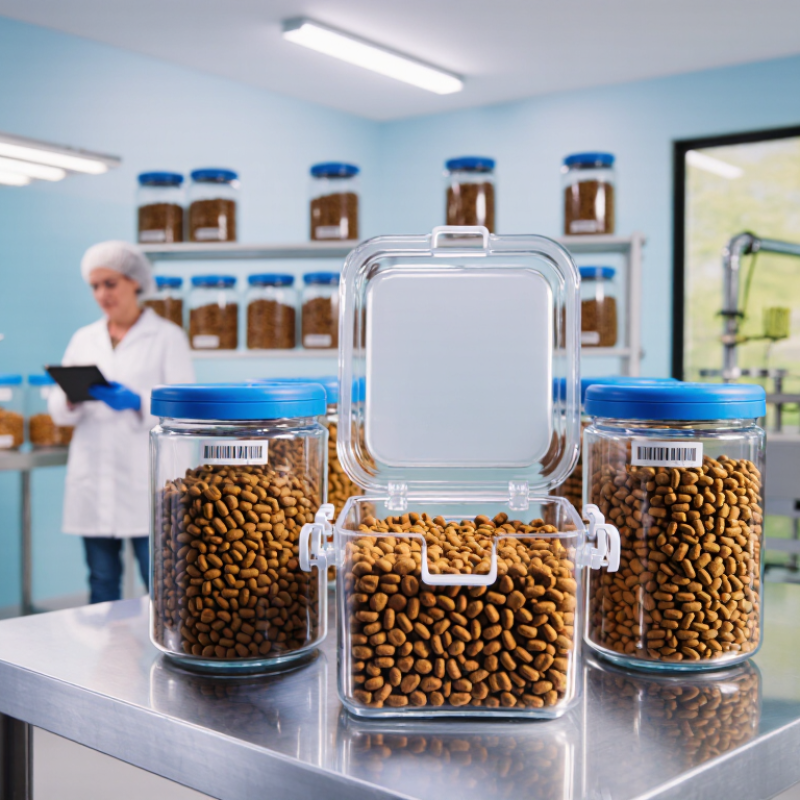
2026 Top Super Premium Dry Cat Food Suppliers for Buyers

What Defines Super Premium Dry Cat Food in 2026

In 2026, super premium dry cat food is defined by more than a polished ingredient list. Buyers should look for a complete, balanced formula suited to a cat’s life stage, supported by clear nutritional information. Protein sources, fat levels, fiber, and essential nutrients all matter. So does consistency. A reliable supplier should be able to explain how ingredients are selected and how finished batches are checked.

Details matter. Kibble size and texture affect how easily cats pick up and chew each piece. Ask for typical analysis, feeding guidance, shelf-life information, and documentation for quality checks. Ingredient traceability can help buyers understand where key materials come from, while transparent manufacturing information makes supplier comparisons more grounded. The phrase “super premium” alone does not prove superior nutrition.

A practical evaluation includes reviewing the product specification and asking how the supplier manages formulation changes. Request samples when possible, then observe aroma, shape, and breakage during handling. Not every detail is obvious. Even careful reviews can miss differences that appear only across production batches, so ongoing communication matters. I would not treat a high protein figure as a complete measure of quality; the overall nutrient profile and intended use deserve equal attention.

Key Nutrition and Quality Standards for Buyer Evaluation

For buyers assessing super-premium dry cat food, the ingredient list is only a starting point. Check whether the food is labeled complete and balanced for its intended life stage, and ask which recognized nutritional standard supports that claim. Protein percentages alone can mislead. Review the named protein sources, essential amino acid profile, fat levels, and inclusion of taurine. Cats need adequate taurine, but a label does not show how consistently each batch delivers it. Ask for recent batch analyses, not just a polished product sheet.

Quality also depends on what happens before and after production. Request details on ingredient traceability, manufacturing controls, and routine screening for relevant contaminants. Digestibility data can help explain whether nutrients are absorbed, though study methods and sample sizes matter. Look for clear moisture, fiber, and energy information; these details help buyers compare feeding directions with a cat’s daily needs. Small differences matter. Packaging should protect kibble from moisture and rancidity, and supplier records should make lot identification straightforward. Be cautious when a supplier offers only broad assurances. Even thorough documentation has limits, and a single test cannot prove every bag performs identically. A careful buyer may still find gaps worth questioning.

2026 Buyer Evaluation: Key Nutrition Benchmarks for Dry Cat Food

The chart shows selected AAFCO adult-maintenance nutrient minimums on a dry-matter basis. The taurine minimum shown applies to extruded dry food. Use these benchmarks alongside checks for a complete-and-balanced nutritional adequacy statement, quality-control testing, and lot traceability; meeting minimums alone does not establish a product’s premium quality.

Source: AAFCO Cat Food Nutrient Profiles. Values are minimums, not recommended product targets or supplier-specific data.

Types of Suppliers Serving the Super Premium Cat Food Market

Integrated manufacturers produce complete dry diets in their own facilities, often controlling formulation, extrusion, and quality testing. They suit buyers seeking consistent supply and direct technical support. Ask for recent batch records, kibble dimensions, and evidence of nutrient testing. Details matter.

Private-label and contract manufacturers make products to a buyer’s specification. Their flexibility can help retailers develop differentiated recipes, but minimum order quantities and formulation ownership vary. A polished sample is not enough; review production capacity, ingredient substitutions, and recall procedures before committing. The category lines are not always tidy.

Distributors and importers serve buyers who need regional warehousing, mixed shipments, or established logistics. They may offer less influence over formulation, but can simplify replenishment. Ingredient specialists are another supplier type, providing proteins, fats, and premixes to finished-food producers. Buyers should confirm traceability and stability data, especially for fat-rich ingredients.

A useful caution: “super premium” has no single universal definition. APPA’s 2025 State of the Industry report put U.S. pet-industry spending at $152 billion in 2024, with pet food and treats at $65.8 billion. These figures cover the wider market, not super-premium cat food alone. I would not use them as proof of demand for one recipe.

How to Compare Suppliers by Product, Capacity, and Compliance

Comparing suppliers of super premium dry cat food starts with the product itself, not the label’s claims. Ask for a current specification sheet covering protein and fat levels, ingredient sources, kibble size, and shelf life. Request a sample from a regular production run, then check aroma, texture, and consistency between bags. Small details matter. A polished sample may not reflect every batch, so ask how the supplier handles variation and customer complaints.

Capacity is more than a factory’s maximum output. Confirm monthly availability, minimum order quantities, standard lead times, and how peak-season orders are scheduled. Ask whether production records connect each lot to its ingredients and packaging. A spreadsheet can help compare quotes, but leave room for uncertainty: forecasts change, and promised capacity is not always reserved capacity. Get key commitments in writing.

Compliance deserves the same practical scrutiny. Request current facility certificates, relevant audit records, product test reports, and label documentation for the markets where you plan to sell. Requirements differ by destination, so have a qualified local reviewer check the final label rather than relying on a supplier’s general assurance. Verify document dates and issuing bodies. Keep the questions specific. A missing record may be an administrative delay, but it still needs a clear explanation before purchase.

2026 Top Super Premium Dry Cat Food Suppliers for Buyers - How to Compare Suppliers by Product, Capacity, and Compliance

Use this comparison framework to evaluate shortlisted suppliers. Supplier-specific capacity, certifications, product performance, and compliance status should be confirmed directly with each supplier using current documents; no supplier rankings or unverified company data are implied.

Comparison Dimension What Buyers Should Compare Evidence to Request How to Evaluate Buyer Decision Record
Product format and specification Kibble size and shape, texture, intended life stage, target animal, recipe options, and finished-product specifications. Current product specification sheets, ingredient statements, guaranteed analysis, sample labels, and representative samples. Check that the proposed product matches the target market, feeding format, label requirements, and written purchase specifications. Record per SKU
Approved / Needs revision / Not suitable
Nutritional adequacy Whether the food is complete and balanced for its stated life stage or is intended only for intermittent or supplemental feeding. Label adequacy statement, formulation basis, nutrient analysis, and supporting substantiation. For the U.S. market, review applicable AAFCO model provisions and the product label. Confirm that the adequacy statement and nutritional claims are appropriate for the intended market and supported by documentation. AAFCO is not a government regulator. Record per formula
Statement and supporting basis verified
Ingredient controls and traceability Ingredient approval, supplier qualification, lot identification, traceability, and controls for changes to ingredients or formula. Ingredient specifications, traceability procedure, change-control process, and a recent mock-trace or recall-test summary. Check whether the supplier can trace ingredients and finished lots through its documented system and notify buyers before relevant product or process changes. Record per facility
Traceability test date and outcome
Food-safety system Hazard analysis, preventive controls, sanitation, pest control, supplier controls, and corrective-action procedures. Food-safety plan overview, audit certificate and scope where applicable, corrective-action summary, and relevant process-control records. For U.S. animal-food operations, assess applicable FDA requirements, including the FSMA preventive-controls framework in 21 CFR Part 507. Verify the facility and product scope rather than relying on a certificate headline. Record per facility
Requirement / evidence / open gaps
Manufacturing capacity Available production volume, line capability, minimum order quantity, seasonal constraints, and capacity allocated to the buyer. Written capacity statement showing units and time period, line or product-format capability, current lead times, and allocation assumptions. Compare committed, available capacity with the buyer’s forecast. Distinguish nameplate capacity from capacity the supplier can actually reserve. Use consistent units
Monthly volume, MOQ, lead time
Quality consistency Finished-product testing, release criteria, sampling approach, specification limits, and management of nonconforming lots. Quality-control plan, sample certificate of analysis, testing-method details, and nonconformance and complaint procedures. Compare test methods and acceptance limits against the agreed specification. Confirm how out-of-specification results are investigated and communicated. Record per SKU
Specification and release checks agreed
Shelf life and packaging Declared shelf life, packaging barrier properties, pack sizes, closure integrity, coding, and storage conditions. Shelf-life substantiation, packaging specifications, lot/date-code examples, and storage and transport instructions. Confirm that the proposed shelf life and packaging are supported and fit the buyer’s shipping, storage, and retail requirements. Record per pack format
Shelf life and packaging approved
Regulatory and market access Requirements for each destination market, including facility, product, labeling, ingredient, and import documentation requirements. Market-specific compliance documents, draft labels, registration or listing details where applicable, and export-document capability. Assess each destination separately. For EU sales, review applicable feed-hygiene and feed-marketing requirements, including Regulations (EC) No 183/2005 and No 767/2009, as relevant to the product and business activity. Record by destination
Market / document / expiry or review date
Change notification and continuity Advance notice for formula, ingredient source, manufacturing site, packaging, or process changes; contingency planning for disruptions. Written change-notification policy, business-continuity overview, alternate-site information where applicable, and escalation contacts. Set notification periods and buyer approval requirements in the supply agreement. Confirm that contingency information is current and relevant to the contracted product. Set contract terms
Notice period and approval path
Commercial and service performance Quotation validity, payment terms, forecast flexibility, delivery performance, complaint response, and technical support. Formal quotation, service-level proposal, delivery-history data for comparable orders where available, and escalation procedure. Compare offers on the same pack size, specification, Incoterm, order volume, and delivery window. Separate confirmed commitments from estimates. Compare like for like
Price, terms, service commitments

Steps for Verifying and Selecting a Supplier for Your Market

When evaluating super premium dry cat food suppliers, verify the factory, not just the sales brochure. Request current food-safety certificates, recent third-party audit findings, and batch-specific certificates of analysis. Check whether each document matches the actual production site and product. Small mismatches matter. Ask for ingredient origins, change-control procedures, and a traceability demonstration that follows one lot from receipt to finished bags. APPA’s 2025 State of the Industry report estimated U.S. pet-industry spending at $152 billion in 2024, with $157 billion projected for 2025. That broad figure is not a cat-food forecast, but it signals a competitive market where documented quality can help buyers assess risk.

Next, test whether the supplier can serve your specific market reliably. Review kibble size, nutrient specifications, packaging languages, minimum order quantities, lead times, and remaining shelf life at delivery. Request sample bags from routine production, then inspect seals, odor, texture, and label consistency. A polished sample alone proves little. Ask how the supplier handles complaints, recalls, and formula changes, and check references from comparable buyers. Compare quoted prices with freight, testing, payment terms, and expected waste—not just the price per bag. A supplier may provide extensive paperwork yet respond slowly when details get uncomfortable. That deserves a second look. Keep a written scorecard, and record what remains unverified before placing a trial order.

FAQS

What defines super premium dry cat food?

It should be complete and balanced for a cat’s life stage. Clear nutritional information matters more than the label alone.

Which details should buyers check?

Review protein sources, fat, fiber, and essential nutrients. Ask for typical analysis, feeding guidance, and shelf-life information.

Why do kibble size and texture matter?

Cats need to pick up and chew each piece comfortably. Check the shape, aroma, and breakage of a sample. Small details count.

How can buyers assess quality controls?

Request recent batch records and information about nutrient testing. Ask how finished batches are checked and how formulation changes are managed.

What should buyers ask contract manufacturers?

Confirm production capacity, minimum order quantities, and ingredient substitution procedures. Clarify who owns the formulation and how recalls are handled.

When might a distributor or importer be useful?

They may provide regional warehousing, mixed shipments, and simpler replenishment. Buyers may have less influence over the recipe.

Why is ingredient traceability important?

It can help buyers understand where key materials come from. For fat-rich ingredients, ask about traceability and stability data.

Does a high protein figure prove a food is superior?

No. The overall nutrient profile and intended use deserve equal attention. I might still miss differences between batches, so ongoing communication matters.

Conclusion

This guide explains what distinguishes Super Premium Dry Cat Food in 2026, including the role of carefully selected ingredients, balanced nutrition, digestibility, and consistent production quality. It outlines practical standards buyers can use to assess products, such as nutrient profiles, ingredient transparency, quality-control procedures, and clear product documentation. It also introduces the different supplier types in the market, from manufacturers with in-house production to specialist producers and distributors, noting how their capabilities and service models may vary.

To compare potential suppliers, buyers should look beyond product claims and consider formulation options, production capacity, minimum order quantities, packaging support, quality systems, and relevant compliance documentation for their intended market. The guide concludes with a structured selection process: define market needs, request and review specifications and samples, verify production and quality records, assess communication and supply reliability, and compare terms before making a decision. This approach helps buyers identify a supplier that can meet their product goals and support dependable, consistent sourcing.

Ethan

Ethan

Ethan is a professional marketing specialist dedicated to helping businesses understand how thoughtful strategy, reliable products, and clear communication can create lasting value. With extensive knowledge of the company’s product portfolio, he regularly contributes expert articles to the......