The search for the 2026 Best European Contract Pet Food Manufacturer begins beyond attractive packaging and polished websites. A dependable partner must combine nutritional expertise, modern production, traceability, and practical communication. Buyers should examine ingredient controls, batch testing, factory capacity, minimum order quantities, and flexibility for changing recipes. The strongest manufacturers can explain each step, from supplier approval to sealed cartons leaving the warehouse.
Thomas Meyer, Secretary General of FEDIAF, has stated, “Pet food is a complex product, requiring expertise across nutrition, safety, and manufacturing.” This view matters when comparing a European Contract Pet Food Manufacturer for private-label products, veterinary diets, or premium food ranges. Real quality appears in details: clean production zones, documented allergen controls, stable kibble texture, and certificates supported by current records.
Yet no manufacturer is perfect. A factory may offer excellent formulation support but limited small-batch capacity. Another may provide impressive automation but slower communication. These weaknesses deserve attention, not convenient excuses. Our 2026 evaluation therefore considers technical competence, food-safety systems, sourcing transparency, delivery performance, sustainability evidence, and customer support. We also look at less visible realities, such as how quickly a supplier responds when a test result misses expectations. That moment can reveal more than a sales presentation. This guide helps brands compare European partners with clearer standards and fewer assumptions.
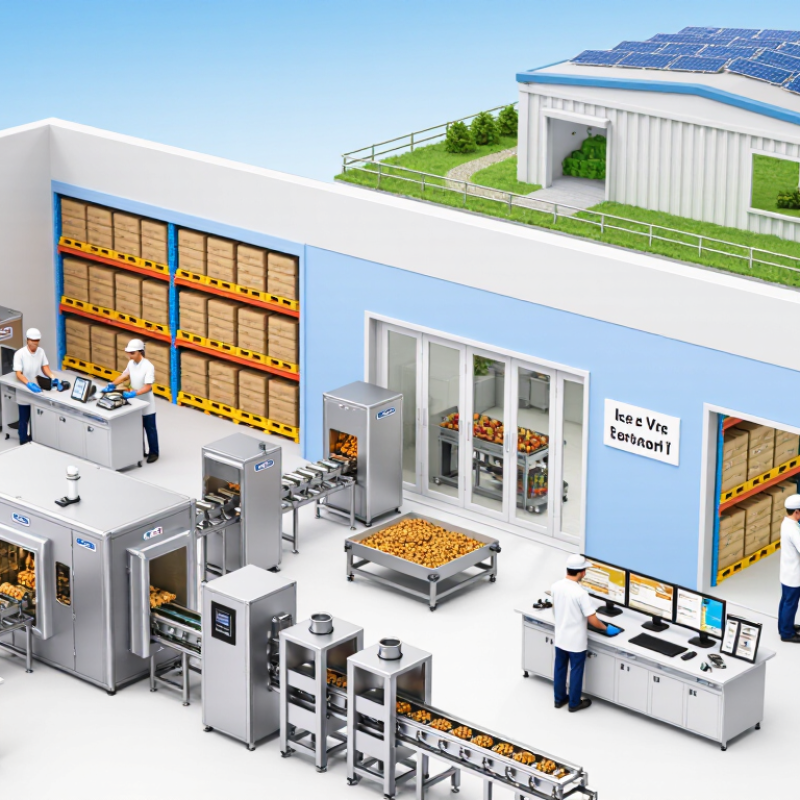
Definition and Role of Contract Pet Food Manufacturers in Europe
A contract pet food manufacturer produces food for another company under a private label or agreed specification. It may manage recipe development, ingredient sourcing, processing, packaging, testing, and batch release. In Europe, this role connects emerging pet-care businesses with specialised factories, nutrition teams, and controlled production systems.
FEDIAF’s 2024 European Pet Food Industry report recorded about 299 million pets and 139 million pet-owning households across Europe. It also reported approximately €29.3 billion in annual pet food sales. These figures show why reliable manufacturing capacity matters. A capable partner can help a smaller company test a recipe, adjust production volumes, and maintain consistent texture between batches. Production must also support traceability, allergen control, microbiological testing, and clear documentation. Requirements differ across European markets, so technical review should happen before commercial agreements are signed.
Tips: Ask for recent audit records, sample batch documents, and ingredient specifications. Check how the factory handles recalls and production changes. A low unit price may still become expensive when minimum order quantities are too high. Forecasts are never perfect. An honest manufacturer should explain capacity limits, lead times, and failed trials, not only present polished results. Buyers should also verify nutritional claims with qualified specialists and independent laboratory evidence. This extra discipline can feel slow, but it protects product quality and consumer trust.
Contract pet food manufacturers produce food for pet-care companies according to agreed formulas, quality standards, packaging requirements and production volumes. Their role commonly includes formulation support, ingredient sourcing, manufacturing, quality control, packaging and regulatory coordination.
A large and diverse pet population creates demand for specialized private-label and contract-manufactured products, including dry food, wet food, treats and veterinary diets.
Source: Federation of European Pet Food (FEDIAF), European pet population statistics and industry facts.
Choosing a European contract pet food partner requires more than comparing production prices. Examine formulation expertise, factory capacity, and documented quality systems. Ask who develops recipes and how nutritional targets are verified. A qualified team should explain ingredient function in clear, practical language.
Request evidence of traceability from approved supplier to finished batch. During a facility visit, inspect hygiene controls, allergen separation, storage temperatures, and production records. Check whether independent laboratories test nutrients, contaminants, and microbiological safety. European regulatory knowledge also matters, especially when products enter several national markets.
Look closely at minimum order quantities and realistic lead times. A flexible manufacturer can support pilot batches before large production runs. Review packaging options, filling accuracy, pallet handling, and recall procedures. Ask how complaints are investigated and how corrective actions are recorded.
A strong partner should provide samples, technical files, specifications, and clear communication. Do not rely only on polished presentations. Speak with the quality manager and production team. Their answers may expose gaps that sales materials hide. No facility gets everything right, and honest discussion of weaknesses can be more valuable than a perfect audit score. I would also question unusually low quotations. They may reflect efficient operations, but they may also conceal limited testing, weak service, or unstable supply planning.
Choosing a European contract pet food manufacturer in 2026 requires more than modern equipment. Manufacturing standards should be visible on the factory floor, not only in a sales document. Look for documented GMP, HACCP, and a certified feed safety system. Ask who reviews deviations. During an audit, inspect raw-material receiving, sealed ingredient bins, calibrated scales, and separate allergen handling. Small details matter.
A capable partner should map every recipe to applicable European feed regulations. This includes ingredient authorization, labeling, traceability, and animal-by-product controls. For EU sales, requirements under Regulations 183/2005 and 767/2009 may be relevant, depending on the product and market. Export destinations can add further obligations. Batch records should connect each supplier, lot number, production line, packaging date, and release decision. Request mock recall evidence.
Safety testing should match the product’s real risks. Controls may include moisture checks, microbiological screening, mycotoxin analysis, heavy-metal testing, and foreign-body detection. Results need defined limits, trained reviewers, and documented corrective actions. Certificates alone are insufficient. No system is flawless. An honest manufacturer can show an out-of-specification investigation and follow-up verification. One weakness deserves attention: rapid growth can strain change control. Ask how formula changes, new suppliers, and equipment cleaning are approved. Clear answers build trust.
2026 Best European Contract Pet Food Manufacturer?
Choosing a strong European contract pet food manufacturer requires more than comparing factory prices. Product development should begin with a clear nutritional brief, target animal profile, feeding purpose, and ingredient plan. Experienced nutritionists can adjust protein, fat, fibre, texture, and energy levels for different life stages. Palatability testing should include controlled pilot batches, not only attractive laboratory figures. Small trials matter.
Customization should remain practical. A reliable partner can support dry food, wet recipes, treats, and functional formats while maintaining consistent specifications. Each recipe needs documented ingredient approval, batch traceability, microbiological testing, and a certificate of analysis. Product teams should discuss realistic minimum order quantities and development timelines early. Forecasts are never perfect.
Packaging capability also affects product quality. Suitable barrier materials can protect aroma, moisture balance, and nutrient stability during storage. Good suppliers test seal strength, filling accuracy, label placement, and lot-code readability. They should offer useful pack sizes, from compact trial pouches to larger household formats. Supply reliability depends on dual-source planning, safety stock, production scheduling, and clear communication. Site audits and regular quality reviews provide stronger evidence than polished presentations. Some pilot runs may reveal filling problems or weak consumer appeal. That is not failure; it is information worth acting on.
| Capability Area | Relevant 2026 Evaluation Dimension | Typical European Contract-Manufacturing Capability | Buyer Verification Points |
|---|---|---|---|
| Regulatory Compliance | Feed-law and product-safety readiness | Manufacturing should operate within the EU feed-hygiene framework, including traceability, HACCP-based controls, approved or registered feed-business requirements, and applicable animal-by-product rules. | Request site registration details, HACCP documentation, traceability procedures, product specifications, and the intended market’s legal-label review. |
| Product Formats | Portfolio breadth | Common formats include dry extruded food, wet food in cans or trays, pouches, treats, dental products, complementary food, and functional supplements. | Confirm which formats are produced in-house, minimum batch sizes, available line speeds, and compatibility with the target recipe. |
| Recipe Development | Private-label and bespoke formulation support | Services may include concept development, ingredient selection, nutritional formulation, palatability planning, process trials, stability assessment, and technical specification preparation. | Check whether formulation is performed by qualified nutritionists, who owns the recipe, how revisions are controlled, and whether trial batches are available. |
| Customization | Ingredient, nutrition, texture, and functional options | Customization can cover protein sources, grain-free or cereal-containing recipes, life-stage nutrition, texture, inclusion rates, supplements, treat shapes, and feeding instructions. | Verify ingredient availability, allergen controls, claims substantiation, minimum order quantities, and change-management procedures. |
| Ingredient Sourcing | Supply security and documentation | Established suppliers generally provide specifications, certificates of analysis where applicable, origin information, and batch traceability for major ingredients and additives. | Review approved-supplier procedures, dual-sourcing options, lead times, contingency plans, and controls for contaminants and prohibited substances. |
| Quality Assurance | Testing, release, and non-conformance management | A robust system typically includes incoming-material checks, in-process controls, finished-product testing, retained samples, metal detection or equivalent controls, batch release, and corrective-action procedures. | Ask for a sample certificate of analysis, test panels, retention-sample policy, complaint response times, and recall-simulation results. |
| Certifications | Independent food and feed-safety assurance | Potential third-party schemes include feed-safety or food-safety standards such as FSSC 22000, BRCGS, IFS, ISO 22000, or other recognized certification programs, depending on the site and scope. | Check certificate validity, issuing body, audit scope, covered product categories, site address, and any exclusions or non-conformities. |
| Packaging Options | Format flexibility and shelf-life protection | Available solutions may include laminated pouches, paper-based outer bags, plastic bags, cans, trays, cartons, jars, tubs, and multipacks, subject to line capability and product requirements. | Confirm filling equipment, pack sizes, barrier properties, sealing validation, artwork specifications, coding, and packaging-material compliance. |
| Sustainable Packaging | Material reduction and recyclability readiness | Manufacturers may support lightweighting, mono-material structures, recycled-content options, recyclable paperboard, and packaging optimization, but suitability depends on barrier, sealing, and shelf-life requirements. | Request material composition, recycling route by destination market, migration documentation, life-cycle claims support, and packaging-performance data. |
| Minimum Order Quantities | Commercial accessibility for new brands | Minimums vary significantly by format, recipe complexity, packaging type, print method, and production line. Smaller pilot quantities are usually more feasible for stock packaging or existing recipes. | Obtain written minimums for development, pilot, first commercial order, repeat orders, packaging components, and obsolete inventory responsibility. |
| Lead-Time Planning | Speed from brief to shipment | A practical project sequence includes briefing, formulation, sampling, validation, artwork approval, packaging procurement, production scheduling, testing, release, and delivery. Timing varies by product and market. | Request a stage-gated timeline, approval deadlines, packaging lead times, testing duration, production slot policy, and escalation contacts. |
| Label and Claims Support | Market-specific compliance | Technical teams may support ingredient lists, analytical constituents, additives, feeding guidelines, batch identification, storage instructions, translations, and review of nutrition or functional claims. | Confirm responsibility for final legal review, language versions, claim evidence, label ownership, and country-specific registration requirements. |
| Traceability and Recall | Speed and completeness of batch tracking | A suitable system should link finished goods to raw-material batches, packaging components, production records, laboratory results, customers, and distribution destinations. | Request a mock traceability exercise, recall procedure, withdrawal responsibilities, and records-retention period. |
| Export and Logistics | Cross-border fulfillment capability | European suppliers may coordinate palletization, warehousing, transport documents, customs support, distributor deliveries, and export documentation, depending on the destination. | Clarify Incoterms, pallet standards, temperature and humidity requirements, export certificates, customs responsibilities, and delivery performance reporting. |
| Product Sustainability | Environmental data and responsible sourcing | Mature suppliers may provide energy, water, waste, packaging, or responsible-sourcing data, although the level of verification differs by facility and reporting system. | Ask whether data is site-specific, independently verified, calculated using a defined methodology, and supported by current environmental targets. |
| Best-Fit Selection Criteria | Overall suitability for a private-label program | The strongest manufacturing partner is the one whose certified scope, format expertise, minimums, formulation resources, quality controls, packaging capability, capacity, and logistics model match the project’s actual requirements. | Use a weighted request-for-proposal scorecard and validate all claims through audits, documents, samples, pilot production, and reference checks. |
Note: Capability descriptions are industry-level evaluation criteria rather than claims about any named company or brand. Actual specifications, certifications, minimum order quantities, lead times, and export requirements must be confirmed directly with each shortlisted facility.
Selecting a contract pet food manufacturer requires more than comparing prices. FEDIAF’s 2024 Facts & Figures report records 139 million European households with pets. It also reports around 299 million companion animals across Europe. This scale demands stable capacity, documented sourcing, and reliable delivery performance. Ask for recent audit results, production volumes, minimum order quantities, and average lead times. A polished factory tour is not enough.
Food safety should lead the evaluation. Check HACCP controls, ISO 22000 certification, allergen management, and compliance with European feed hygiene rules. Request batch records, supplier approval procedures, and certificates of analysis for raw materials. Then test traceability. Can the plant identify every ingredient within hours? Run a mock recall. Small details matter, including sealed sample bags and readable pallet labels. They often reveal operational discipline.
Nutrition expertise also deserves careful attention. Compare the manufacturer’s formulation process with the latest FEDIAF nutritional guidelines. Ask whether qualified nutritionists review recipes for life stage, energy density, and ingredient changes. A strong partner should explain decisions clearly, not hide behind technical language. I would also inspect complaint data and corrective-action records. Perfect statistics may be suspicious. Every real facility has something to improve. A trial production run can expose weak mixing, inconsistent texture, or packaging delays before a long contract begins.
It produces pet food for another company under an agreed recipe, specification, or private label. Services may include formulation, sourcing, processing, packaging, testing, and batch release.
They gain access to specialised factories, nutrition teams, and controlled production systems. This can reduce investment and support flexible production volumes.
Inspect raw-material receiving, sealed ingredient bins, calibrated scales, and separate allergen areas. Ask to review recent audit records and sample batch documents.
Look for documented GMP, HACCP, and a certified feed safety system. Certificates help, but factory practices matter more.
Records should connect suppliers, lot numbers, production lines, packaging dates, and release decisions. Request evidence from a mock recall.
Testing may include moisture, microbiological screening, mycotoxins, heavy metals, and foreign-body detection. The testing should reflect each product’s actual risks.
Do not compare unit prices alone. High minimum order quantities, long lead times, or failed trials can make a cheap offer expensive.
Ask who approves formula changes, new suppliers, cleaning procedures, and equipment adjustments. Rapid growth can weaken change control. That risk is easy to underestimate.
Review ingredient specifications, nutrition evidence, batch records, audit findings, capacity limits, lead times, and recall procedures. Forecasts are never perfect.
A trustworthy partner explains limits, failed trials, deviations, and corrective actions. Polished results alone prove very little.
Choosing the best European Contract Pet Food Manufacturer in 2026 requires more than comparing prices or production volume. The right partner should offer reliable contract manufacturing services, understand the needs of different pet food businesses, and support projects from initial concept through finished products. Important factors include product quality, manufacturing experience, transparent communication, production flexibility, and the ability to handle different recipes, formats, and market requirements.
A strong European partner should follow strict manufacturing standards, maintain effective safety and quality controls, and demonstrate compliance with applicable regulations. Businesses should also evaluate ingredient management, research and development support, customization options, packaging solutions, minimum order quantities, lead times, storage, and supply continuity. By reviewing certifications, production capabilities, quality procedures, technical communication, and long-term cooperation potential, companies can make a more informed decision and select a manufacturer that supports consistent quality, efficient growth, and dependable market expansion throughout 2026.